
Joie de la merAcrylic
Painting & Ceramics · Belgium
A Belgian artist, Patricia Veranneman works in painting and ceramics from what has already lived — an old photograph, a forgotten object, a fragment of memory — which she displaces and recomposes until it becomes something else.

Between memory & matter
Time is never fixed: it settles, it cracks, it transforms and begins again.
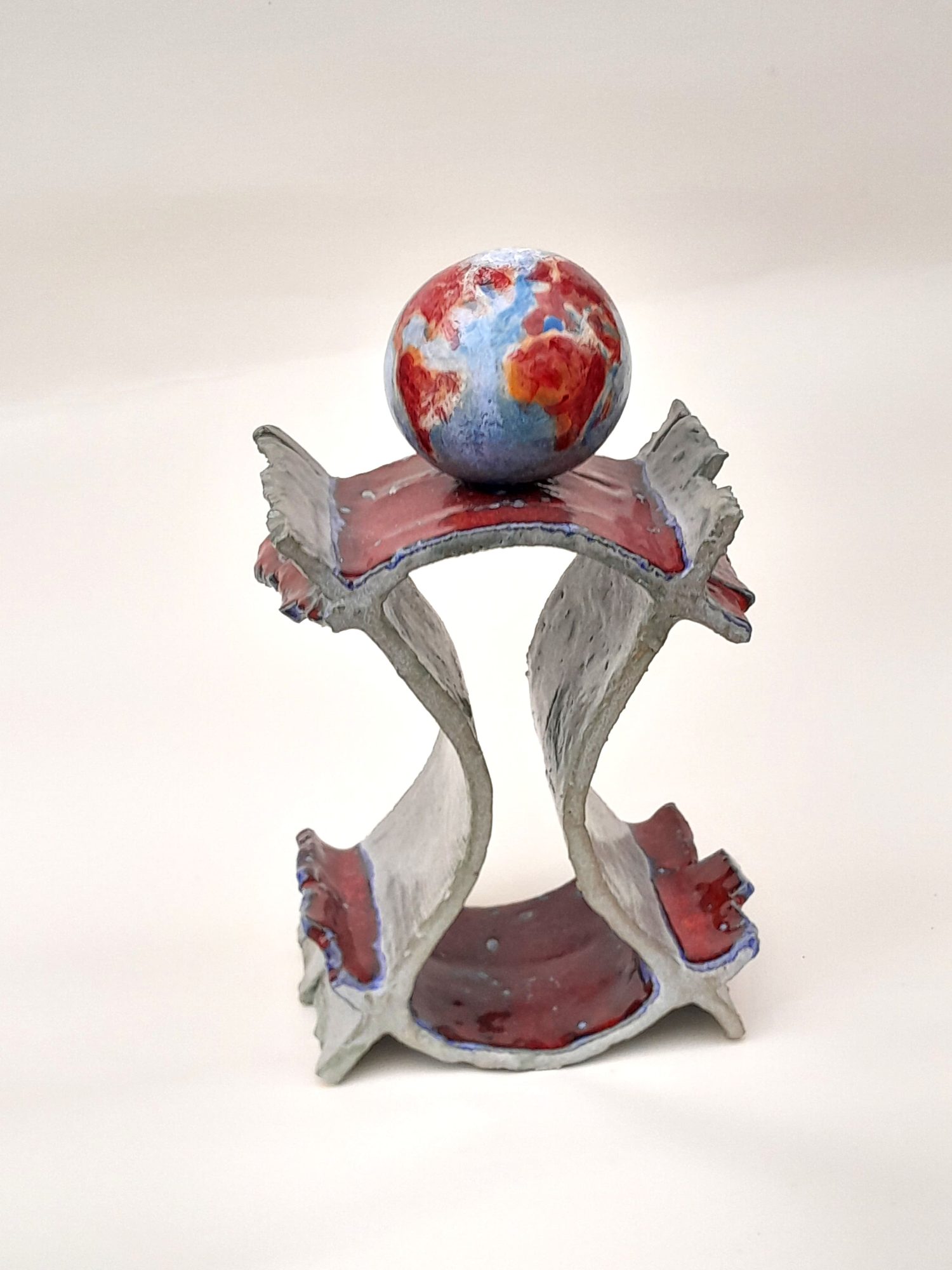


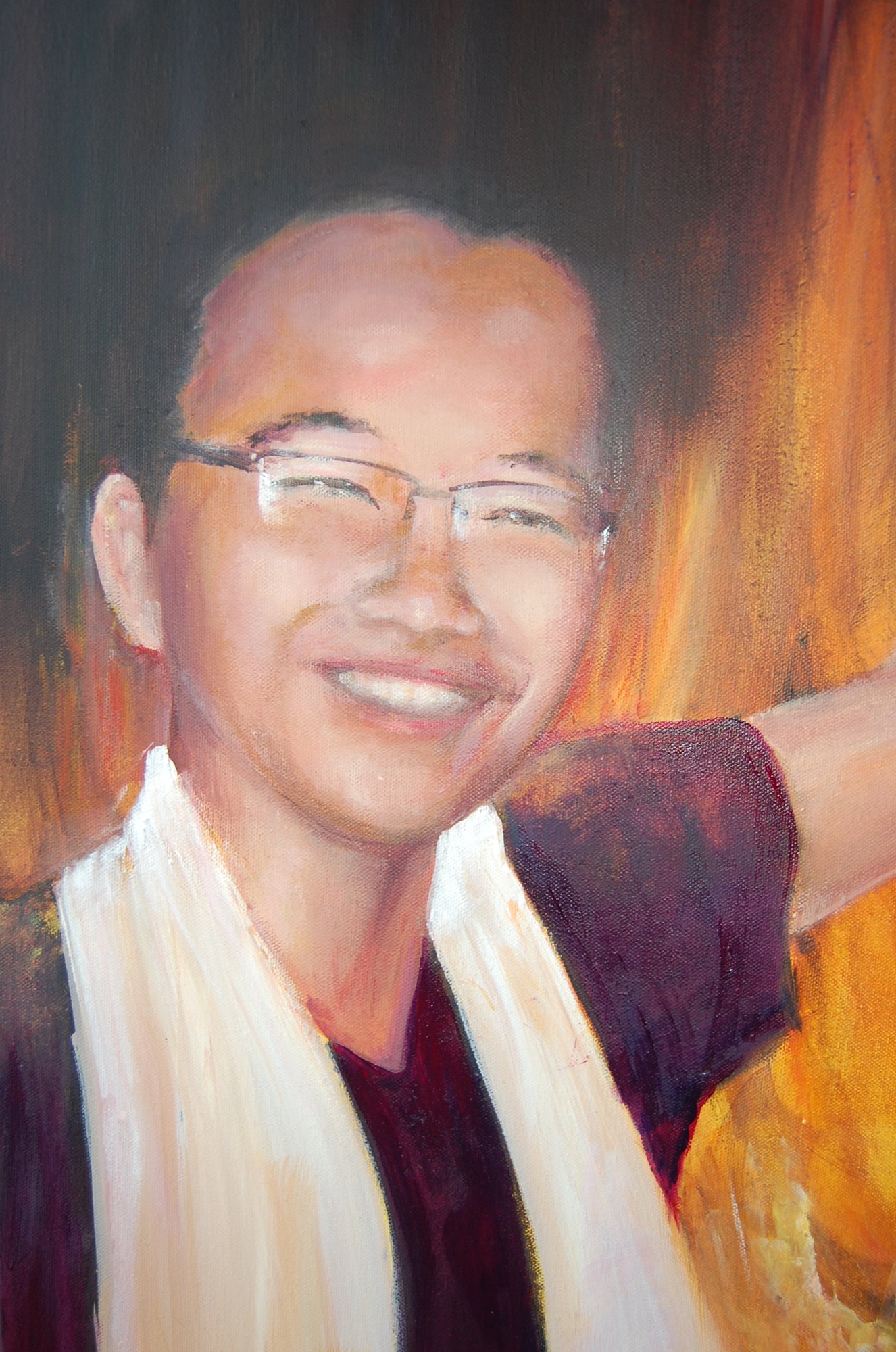


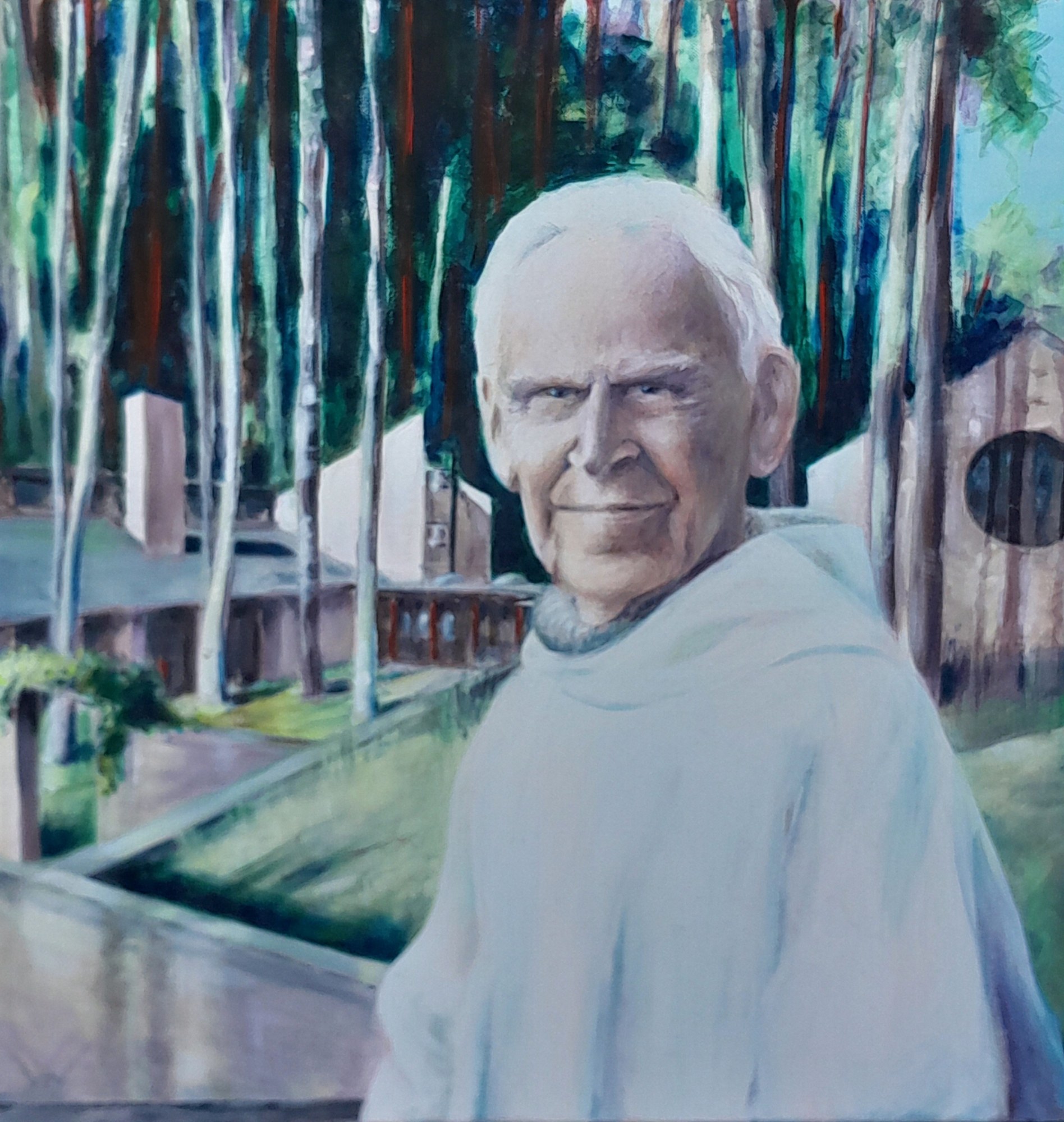


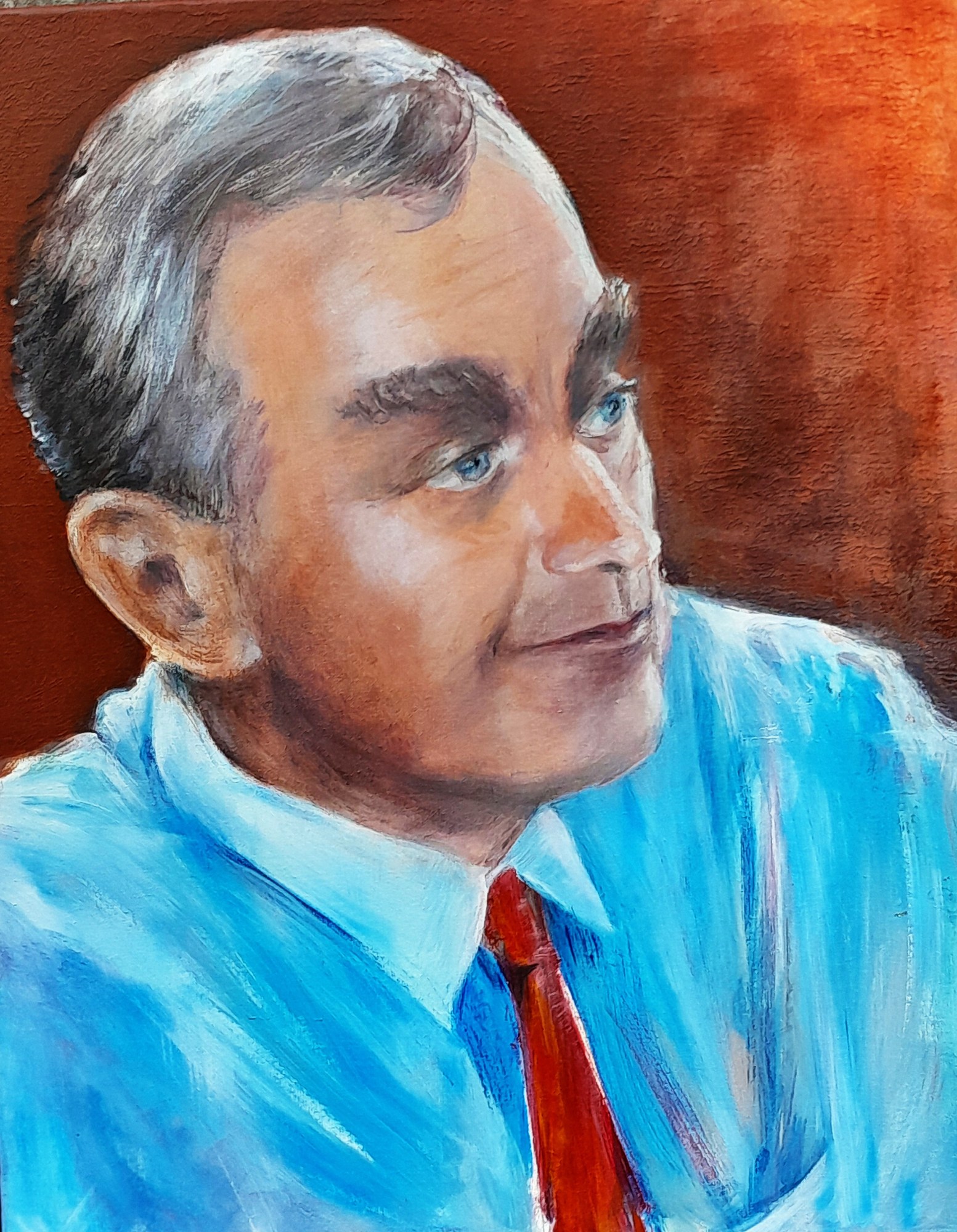
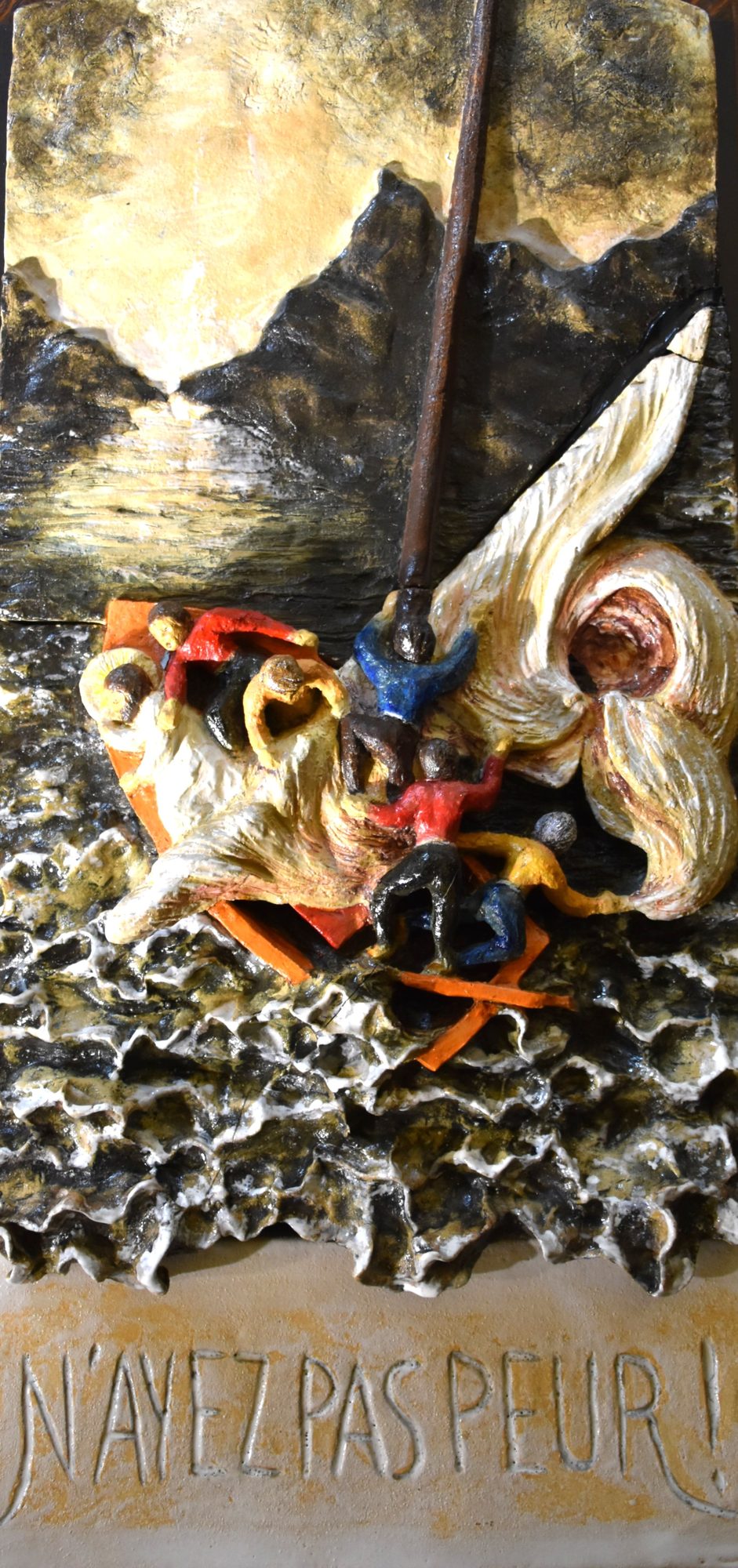
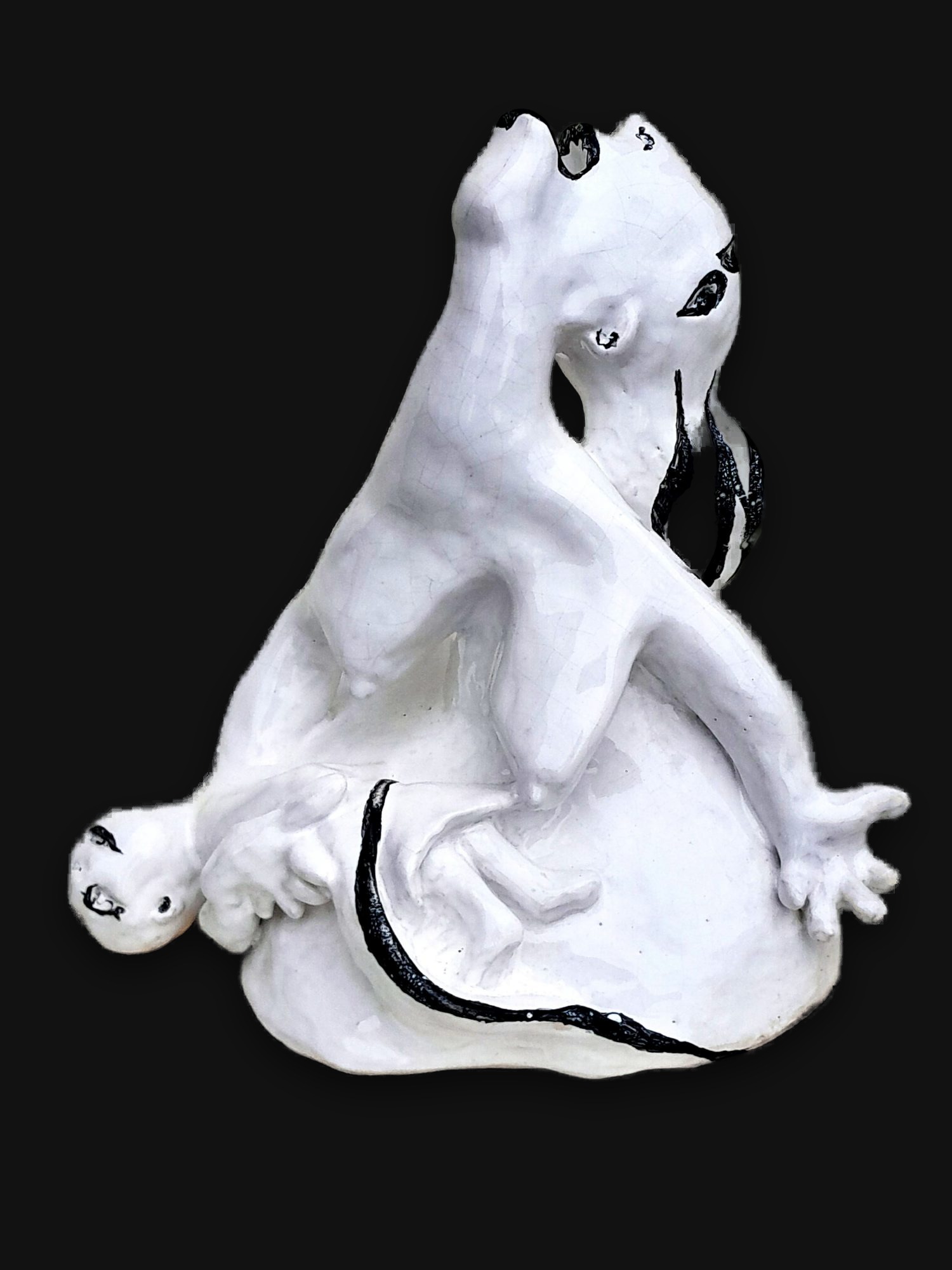
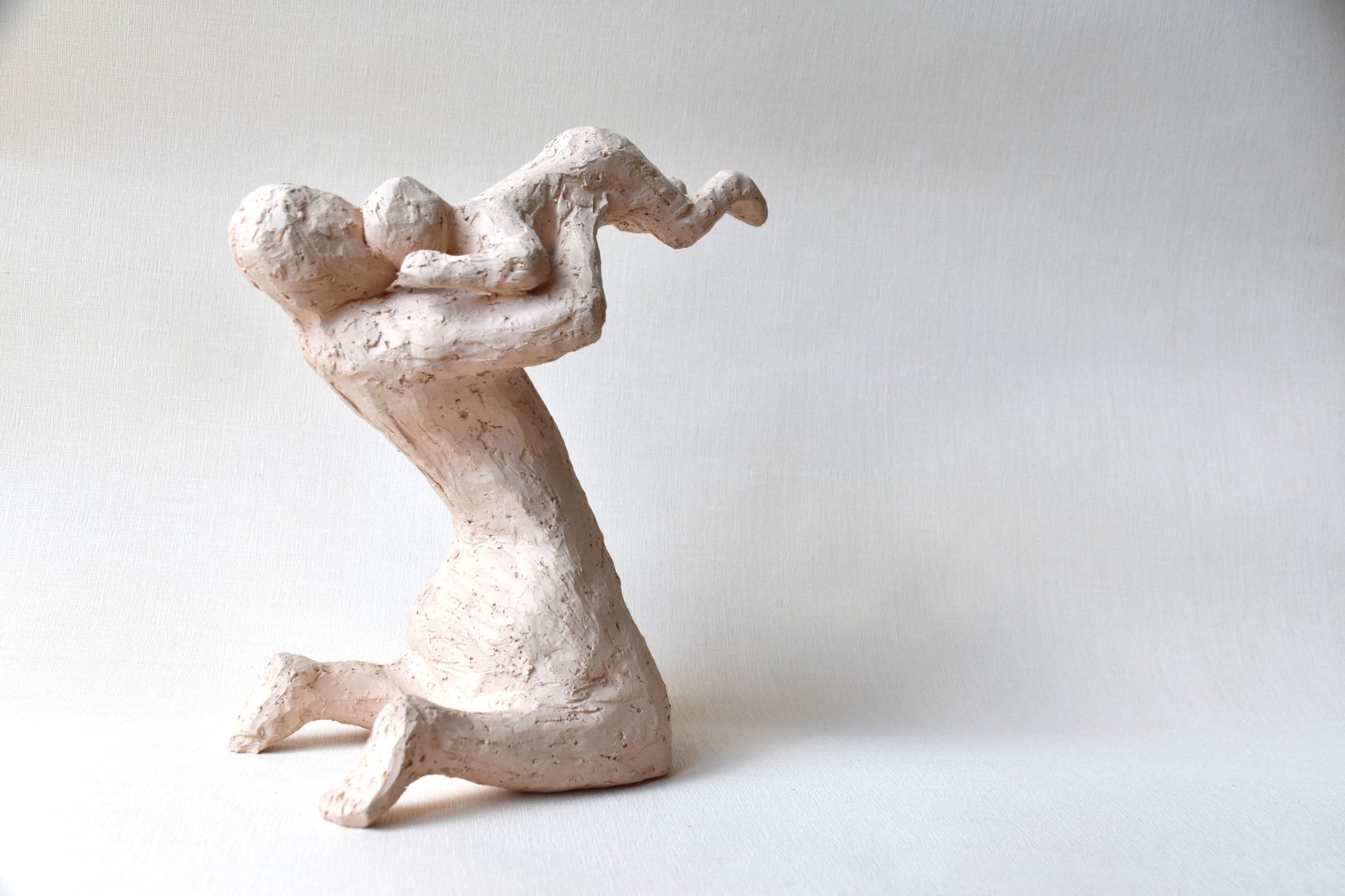
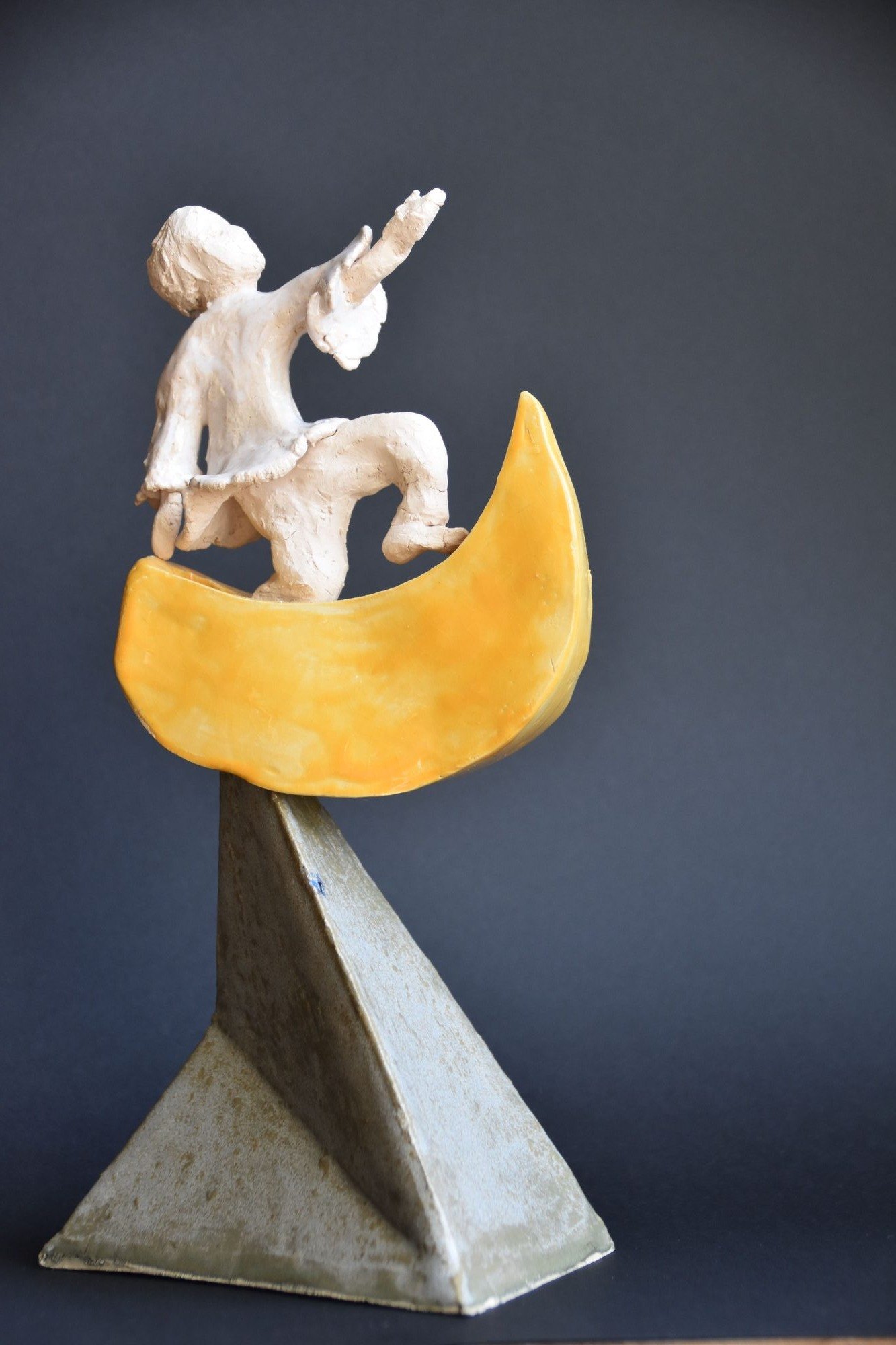
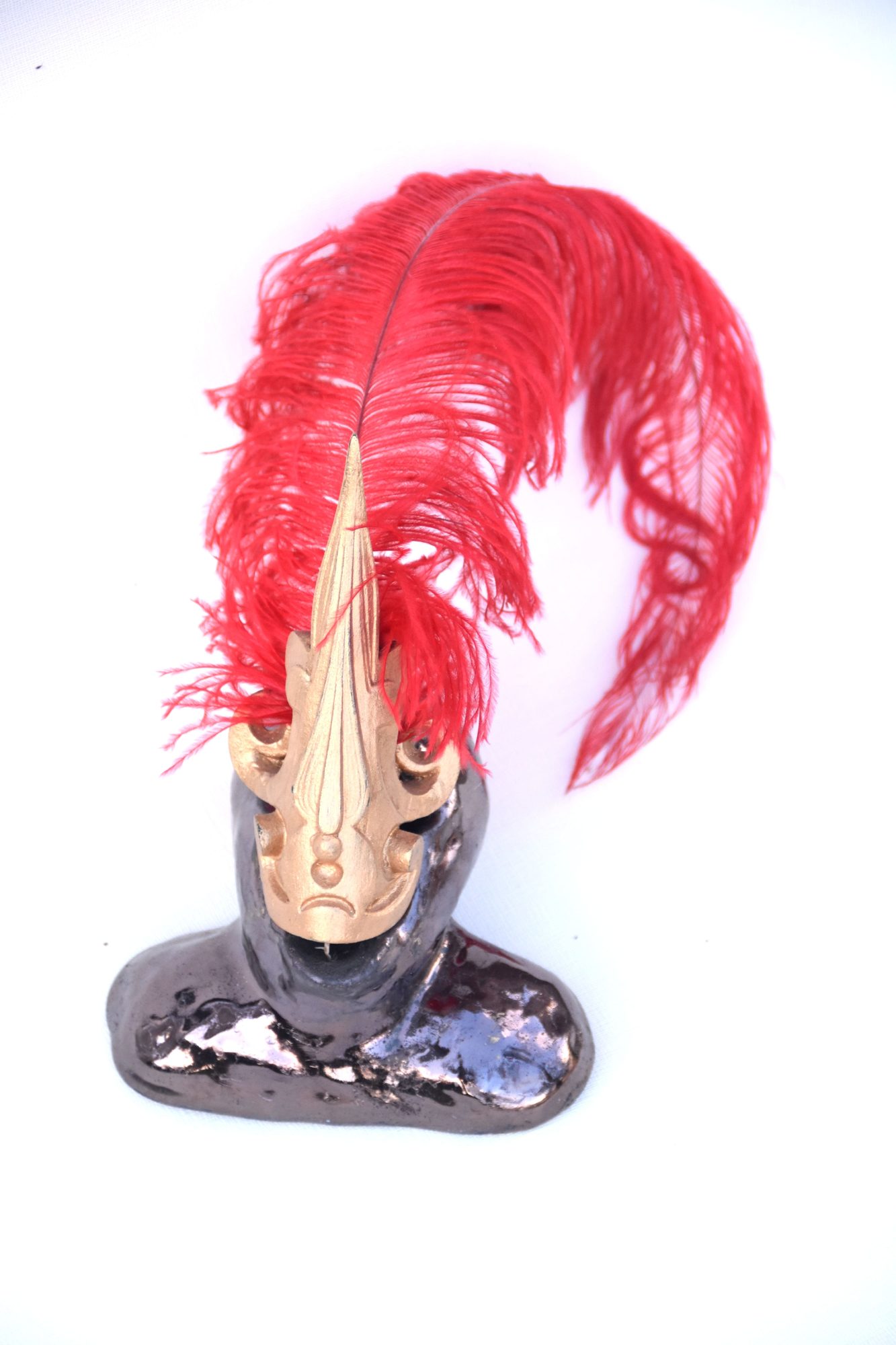
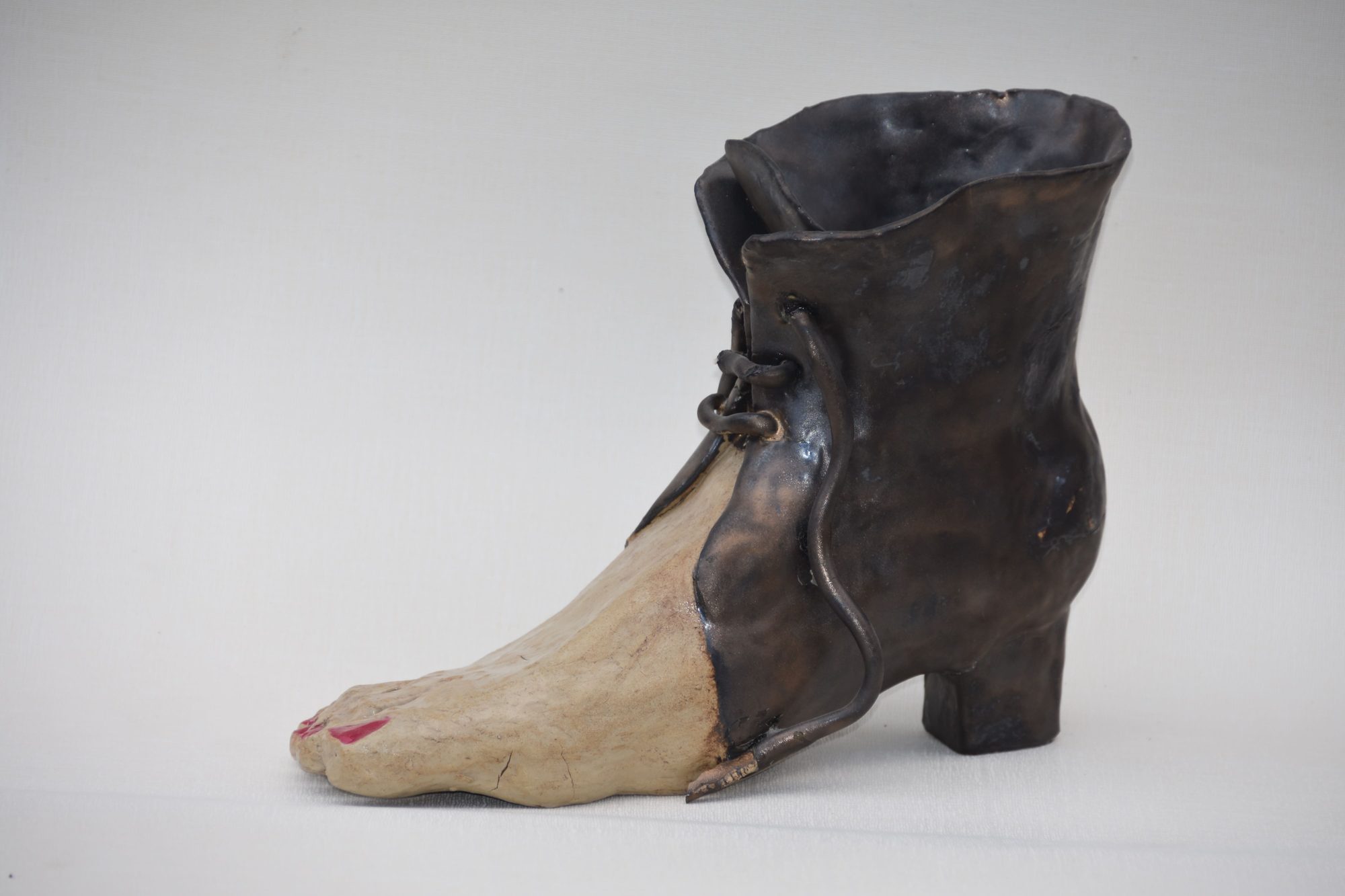
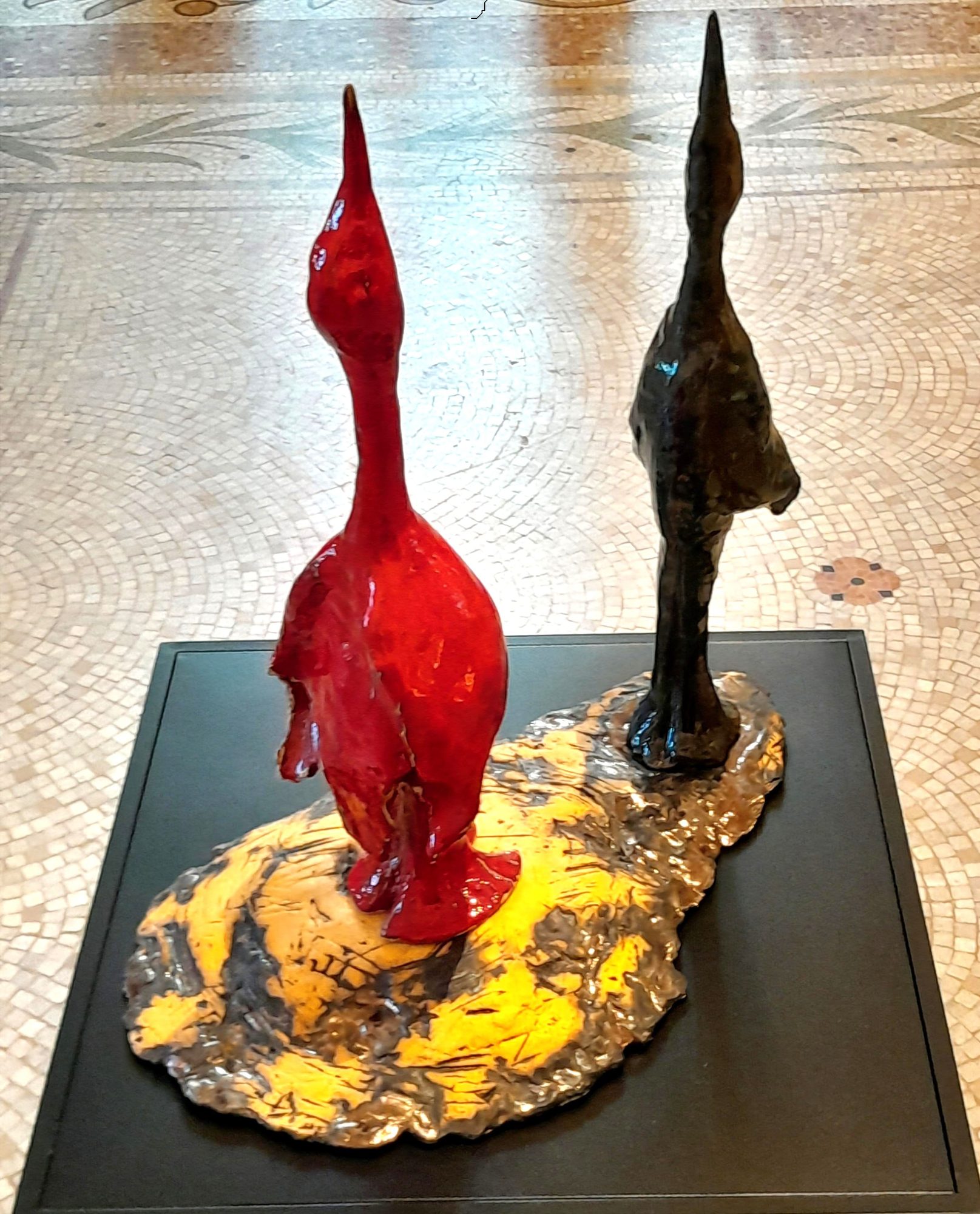
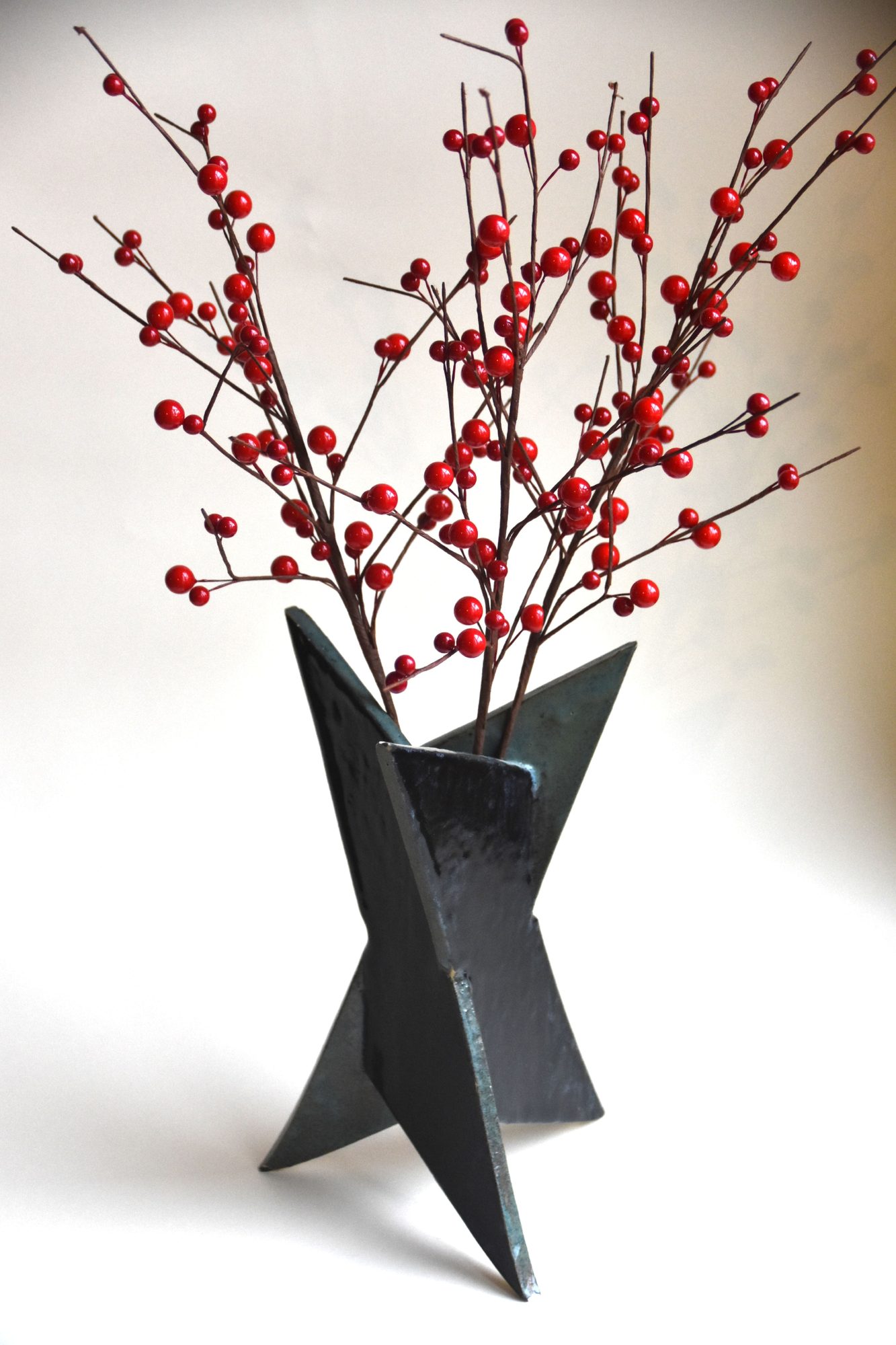
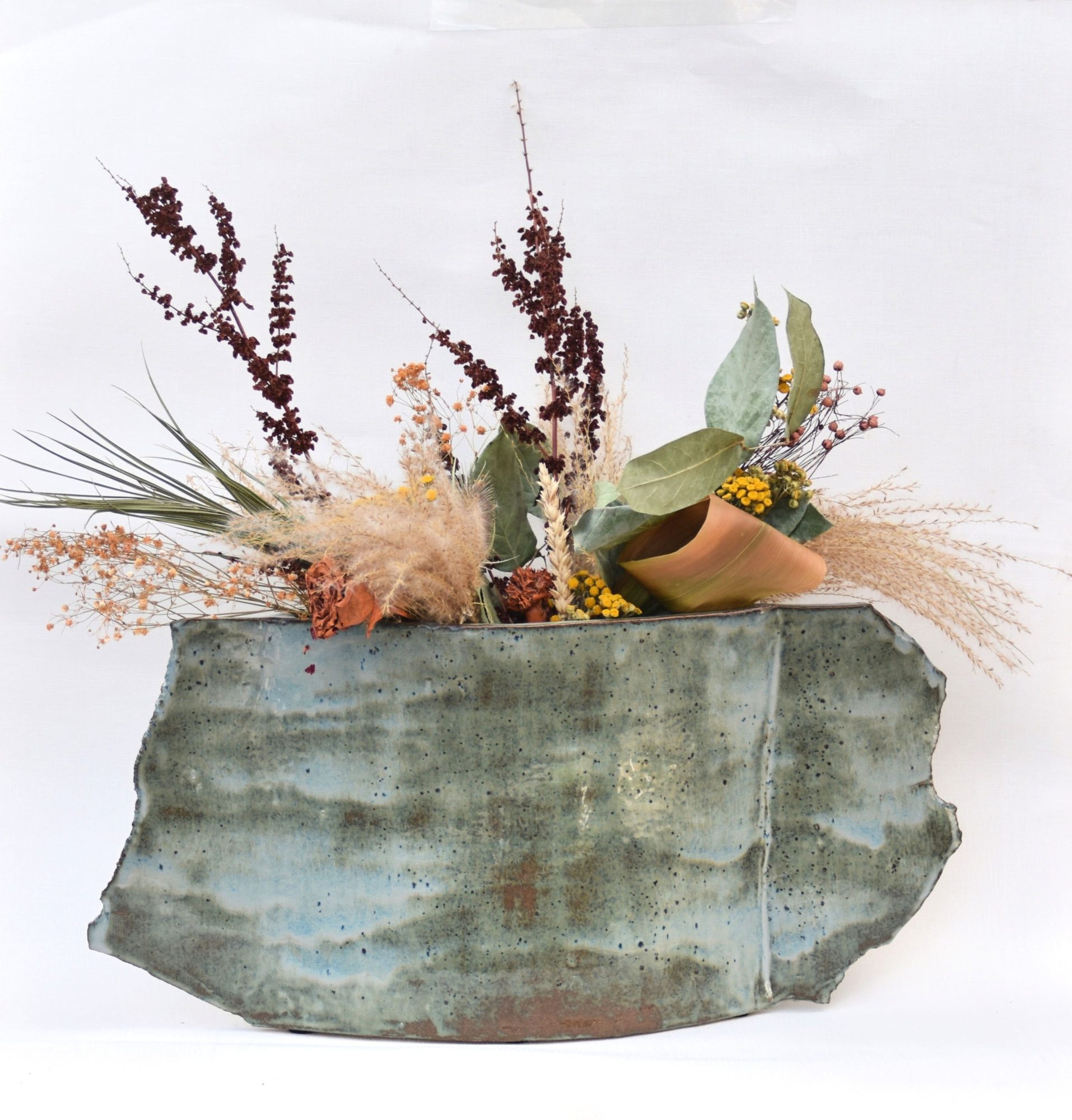
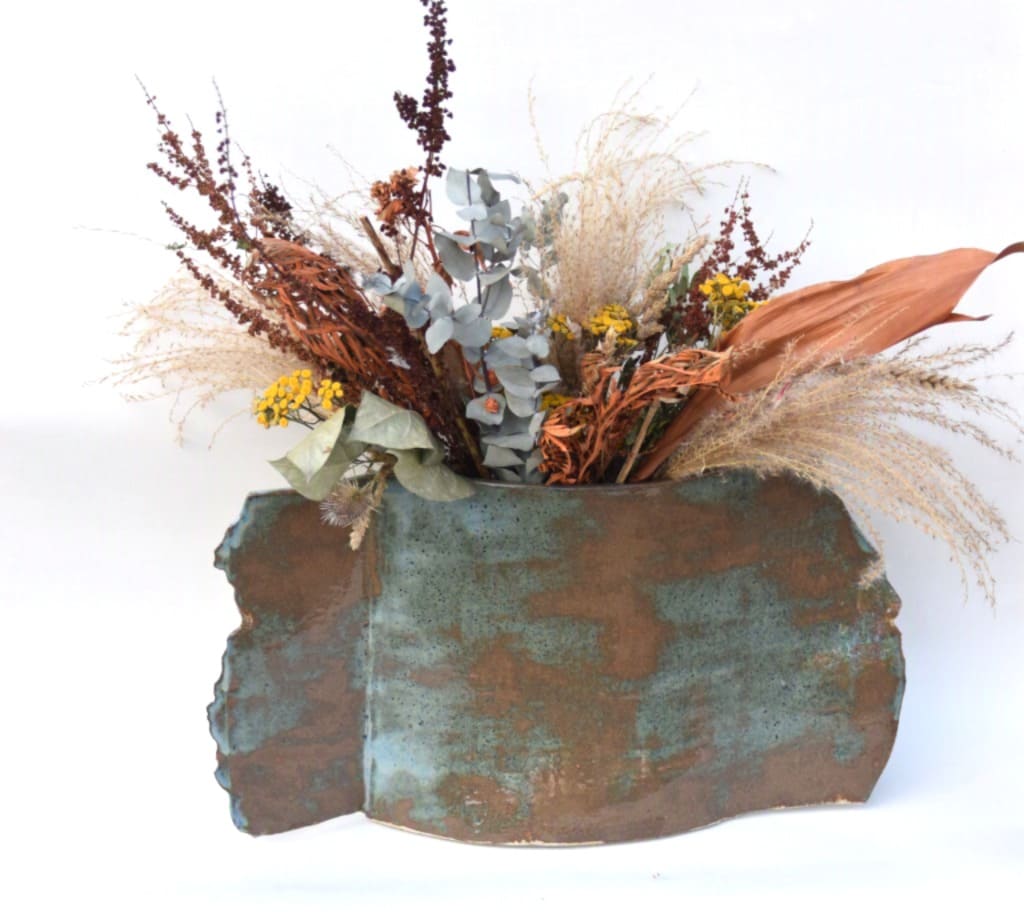
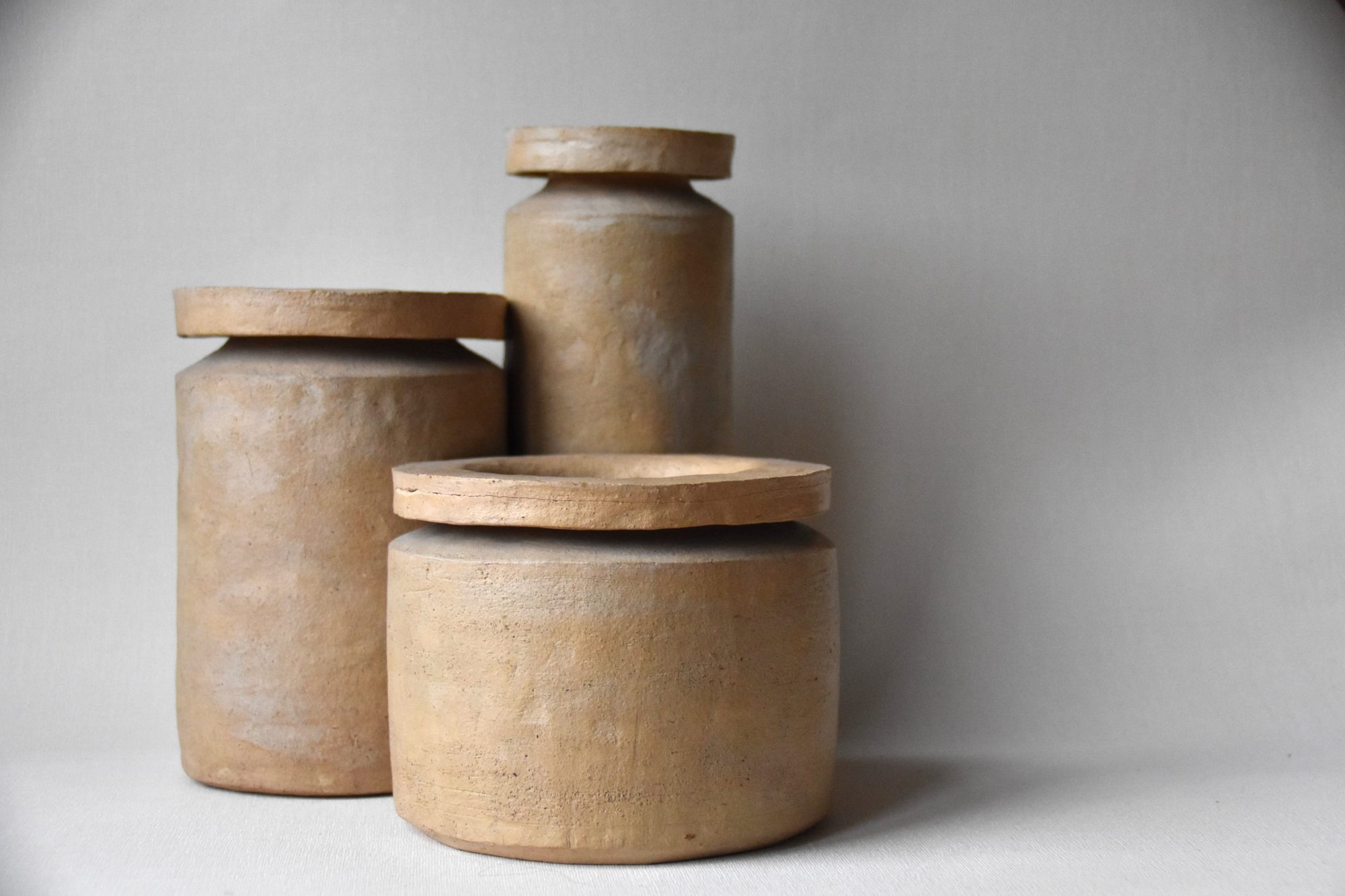
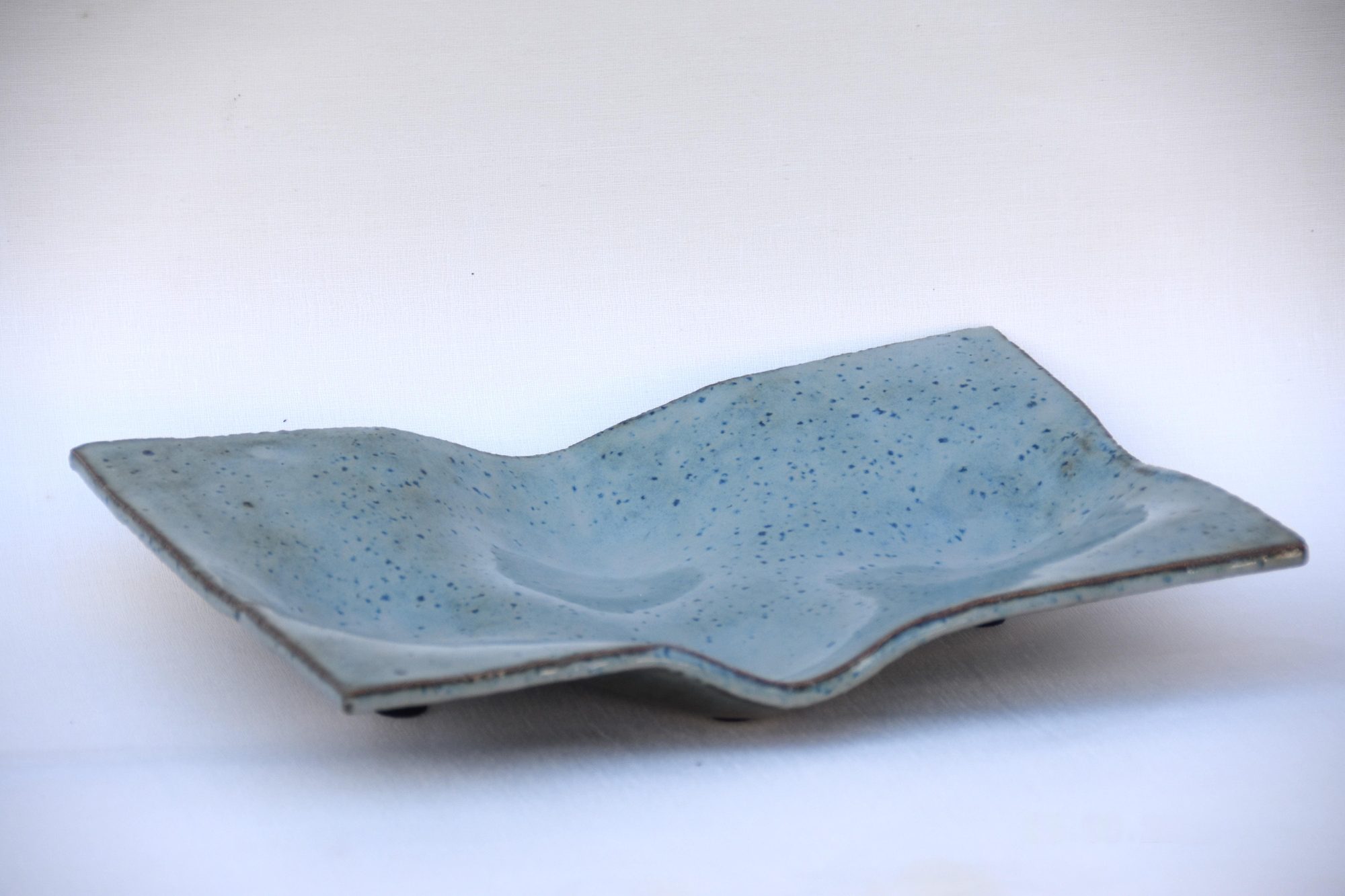
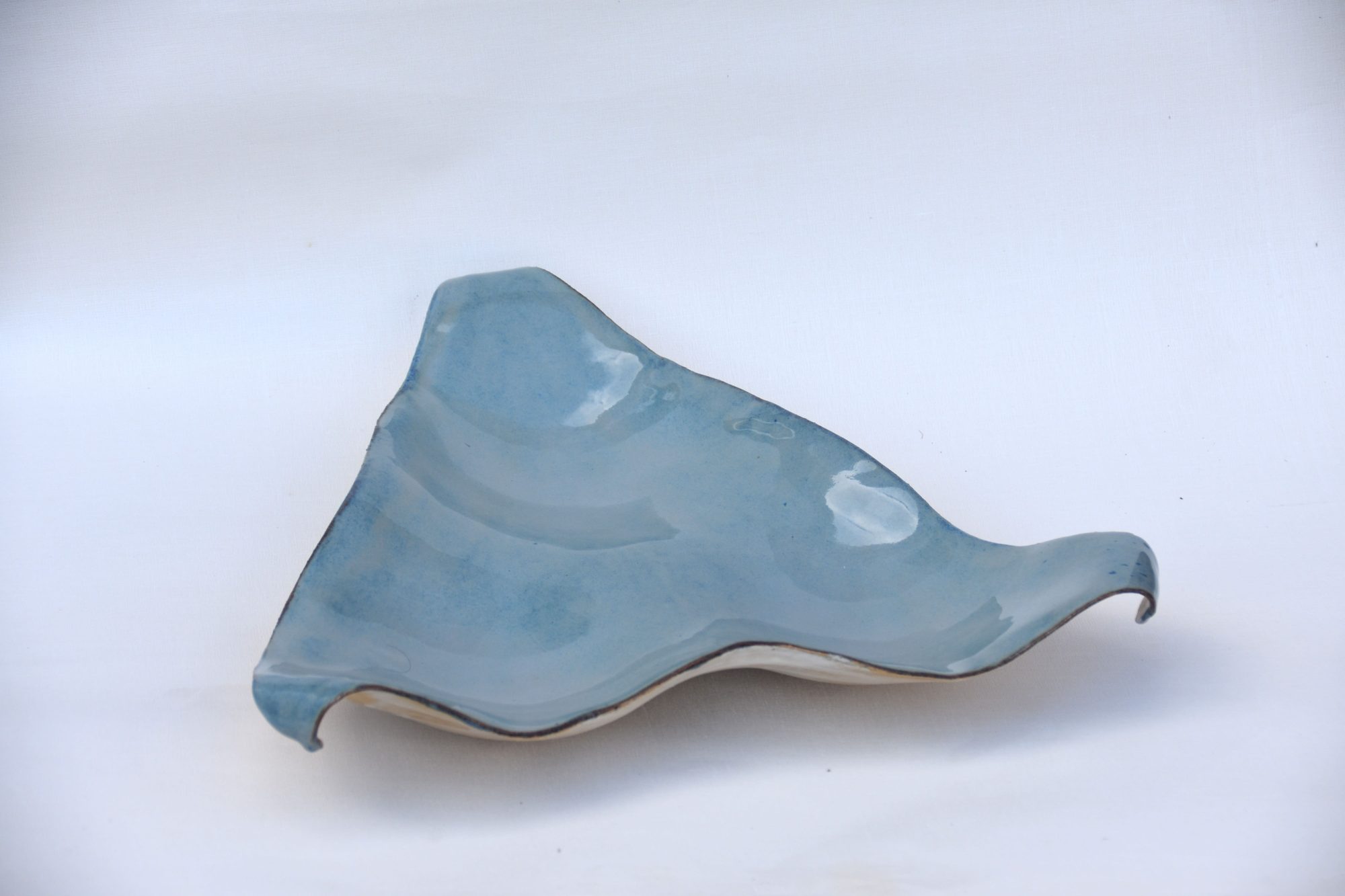
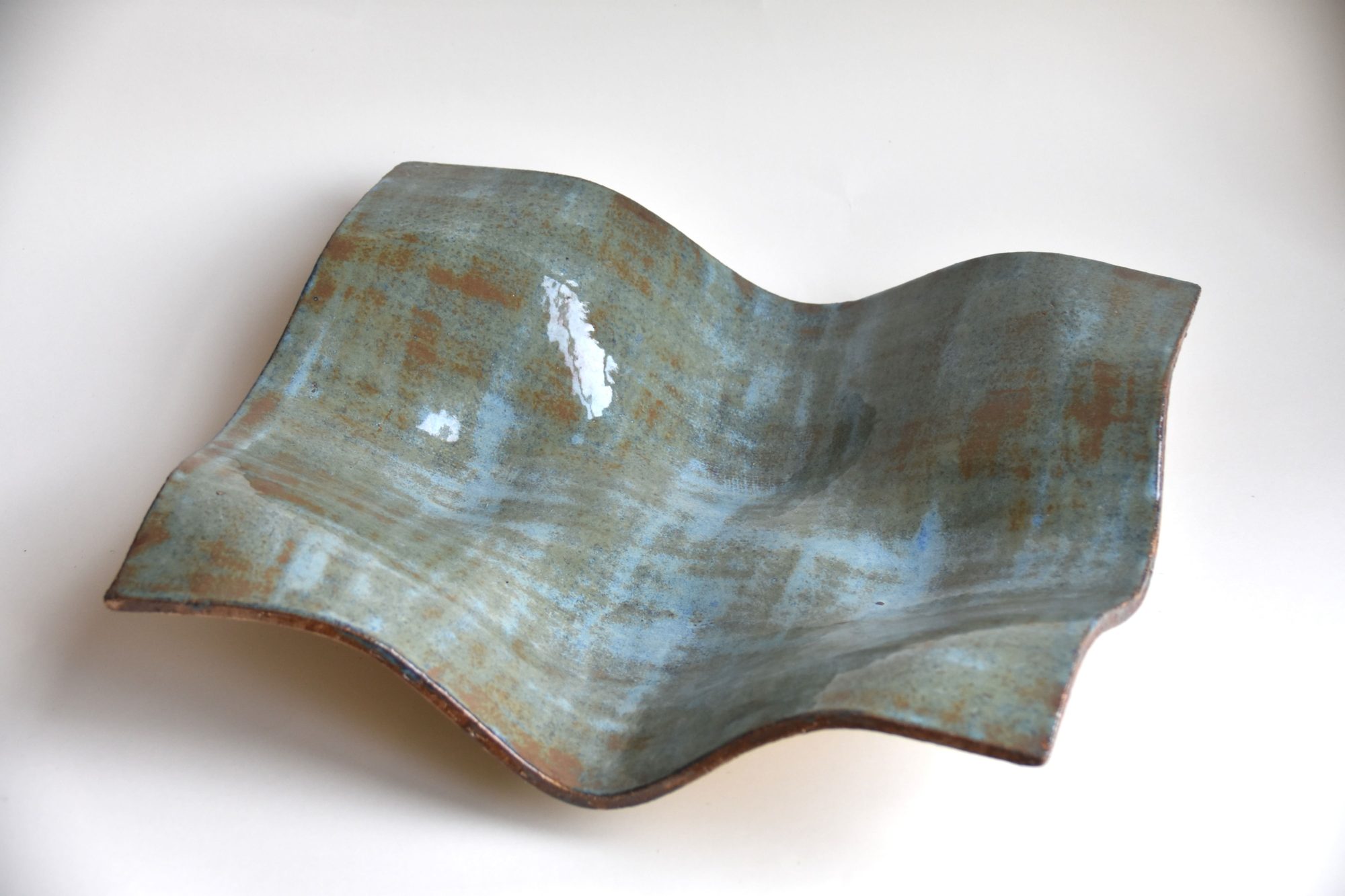
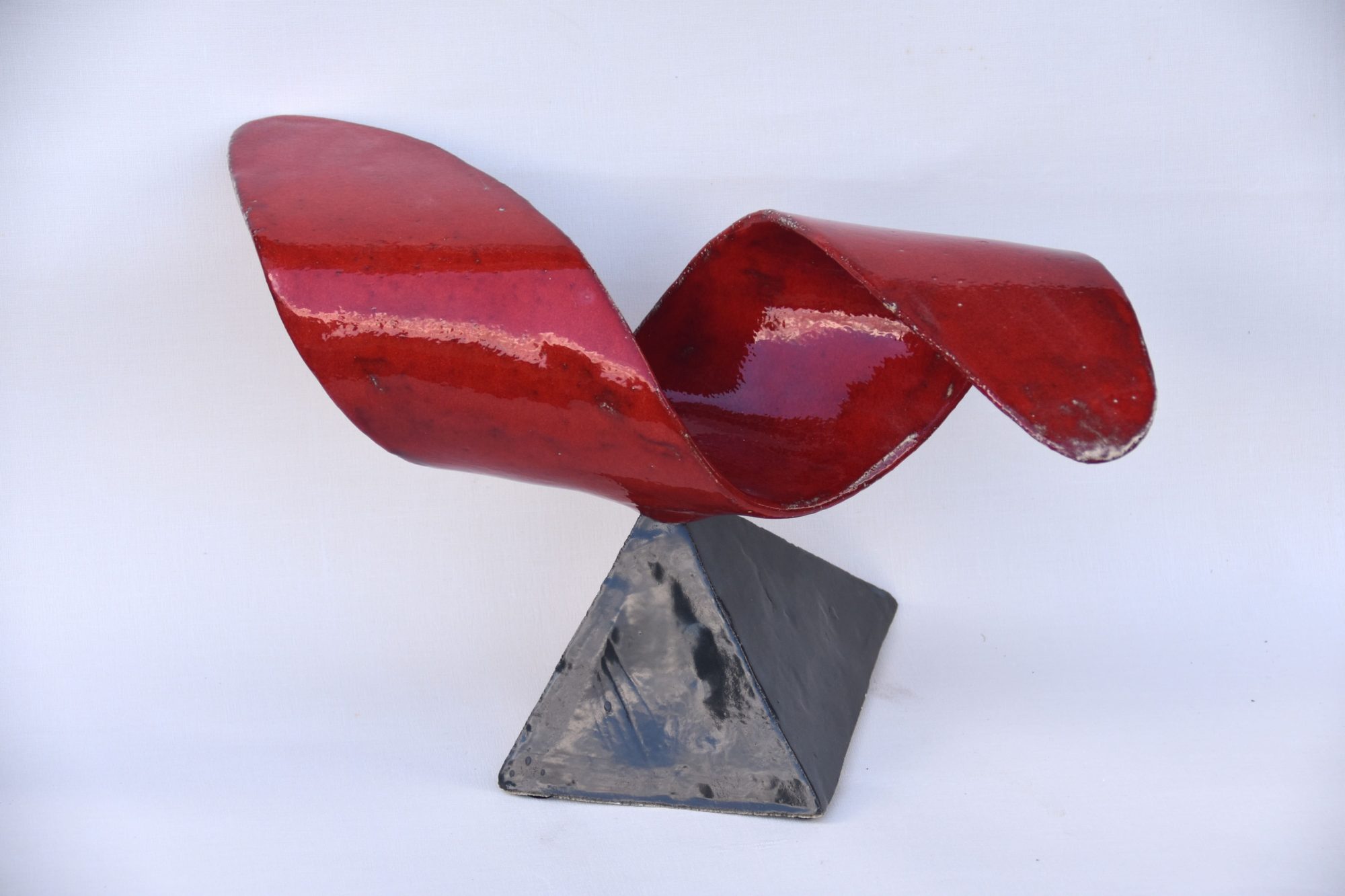
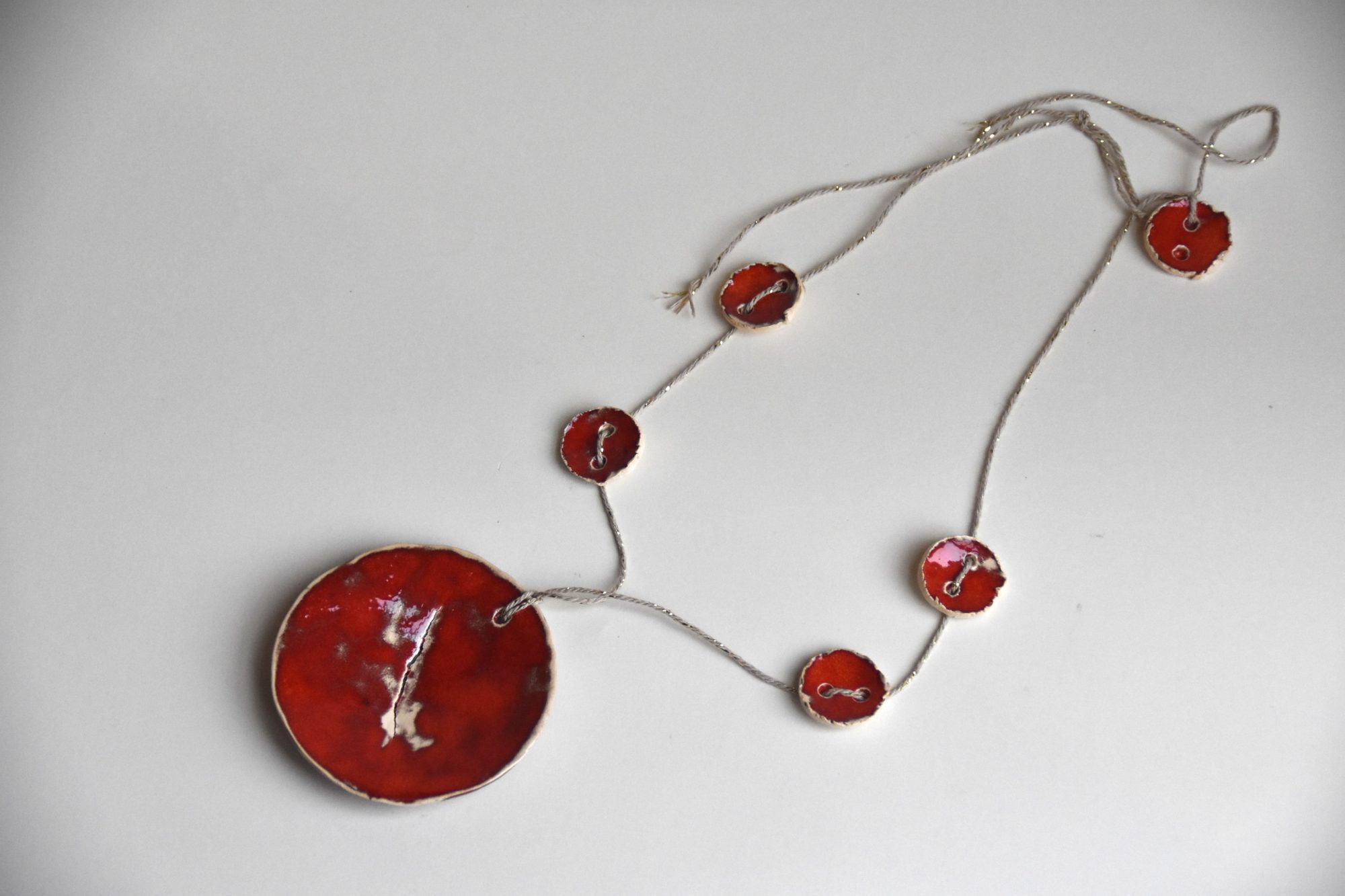
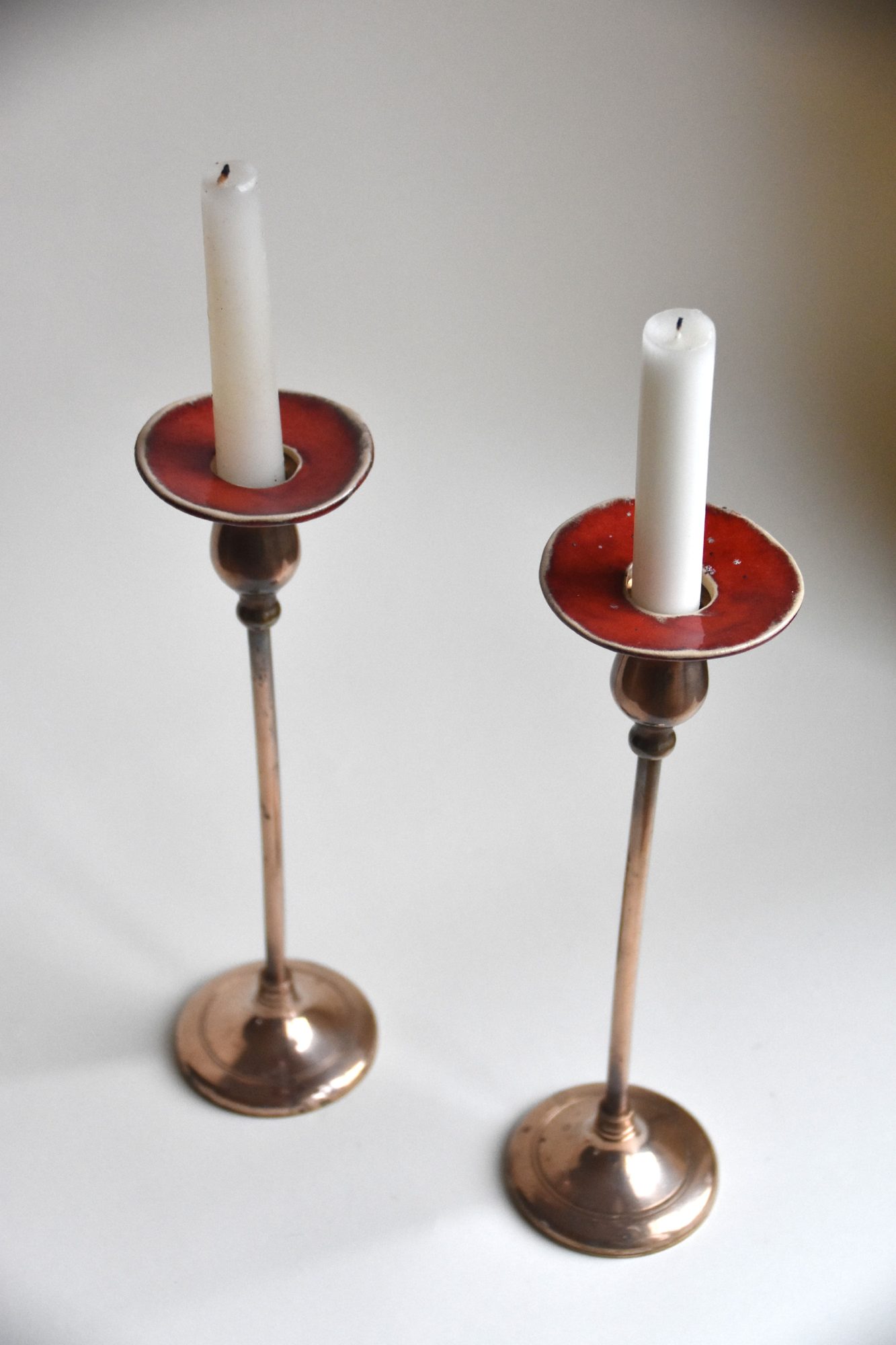
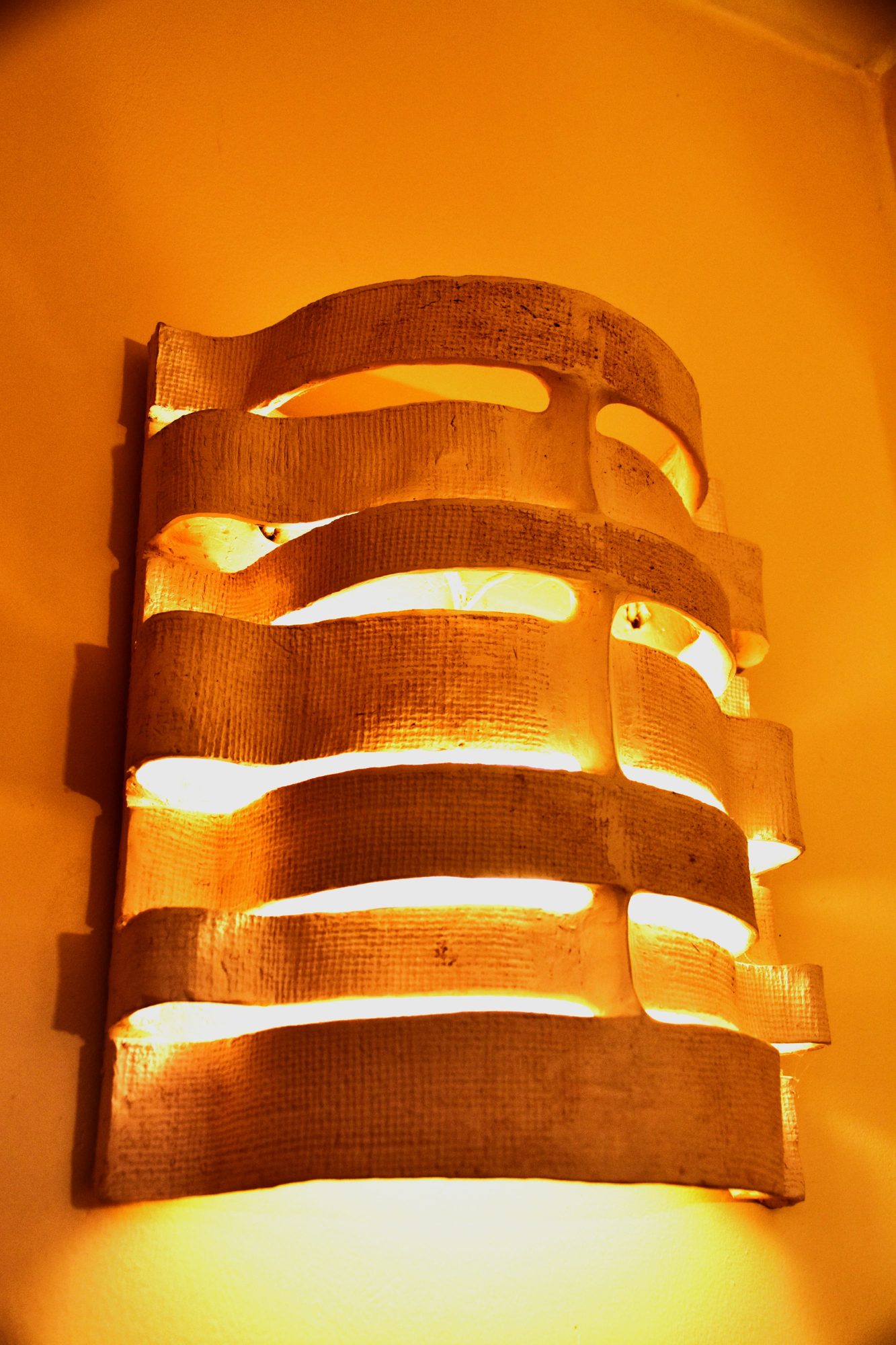
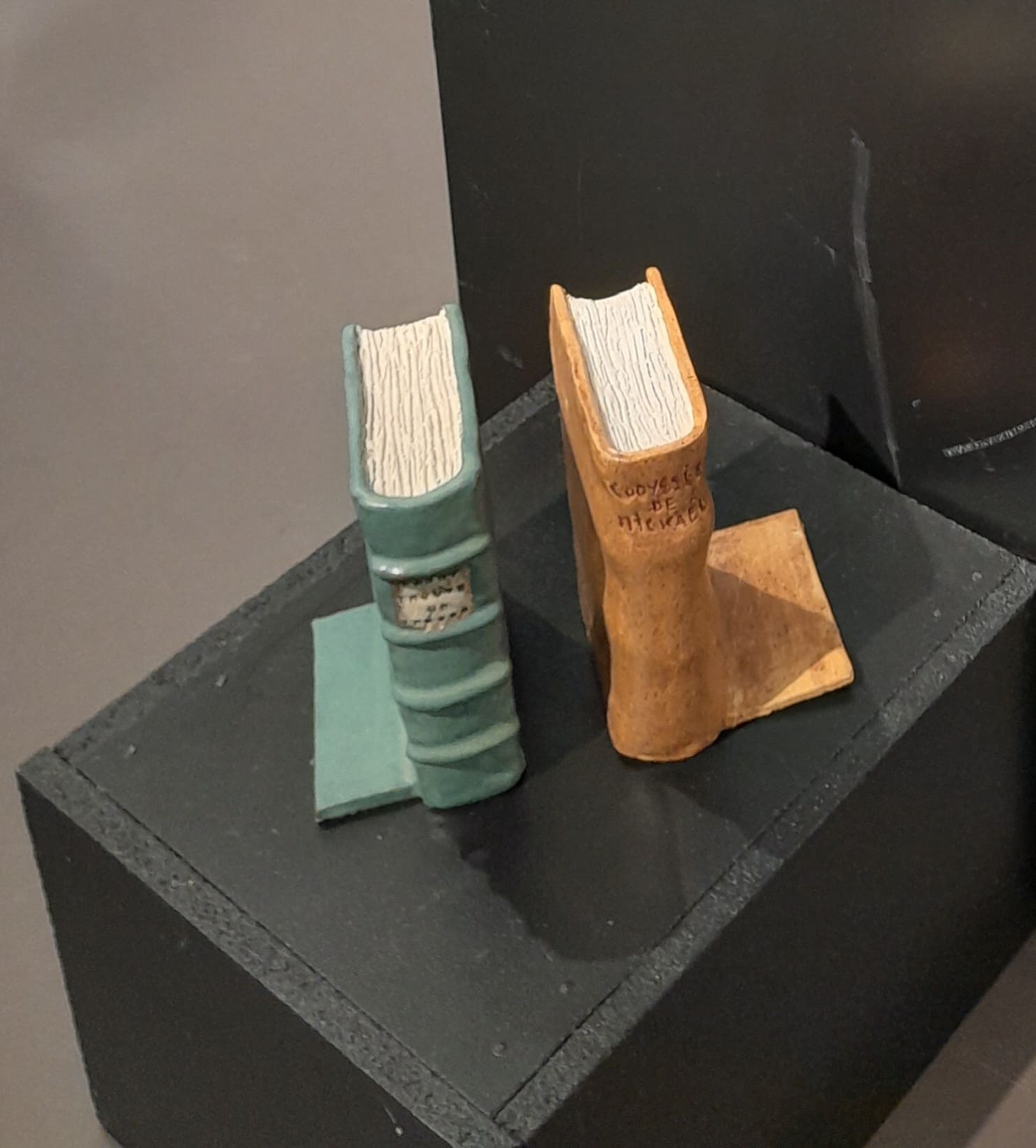
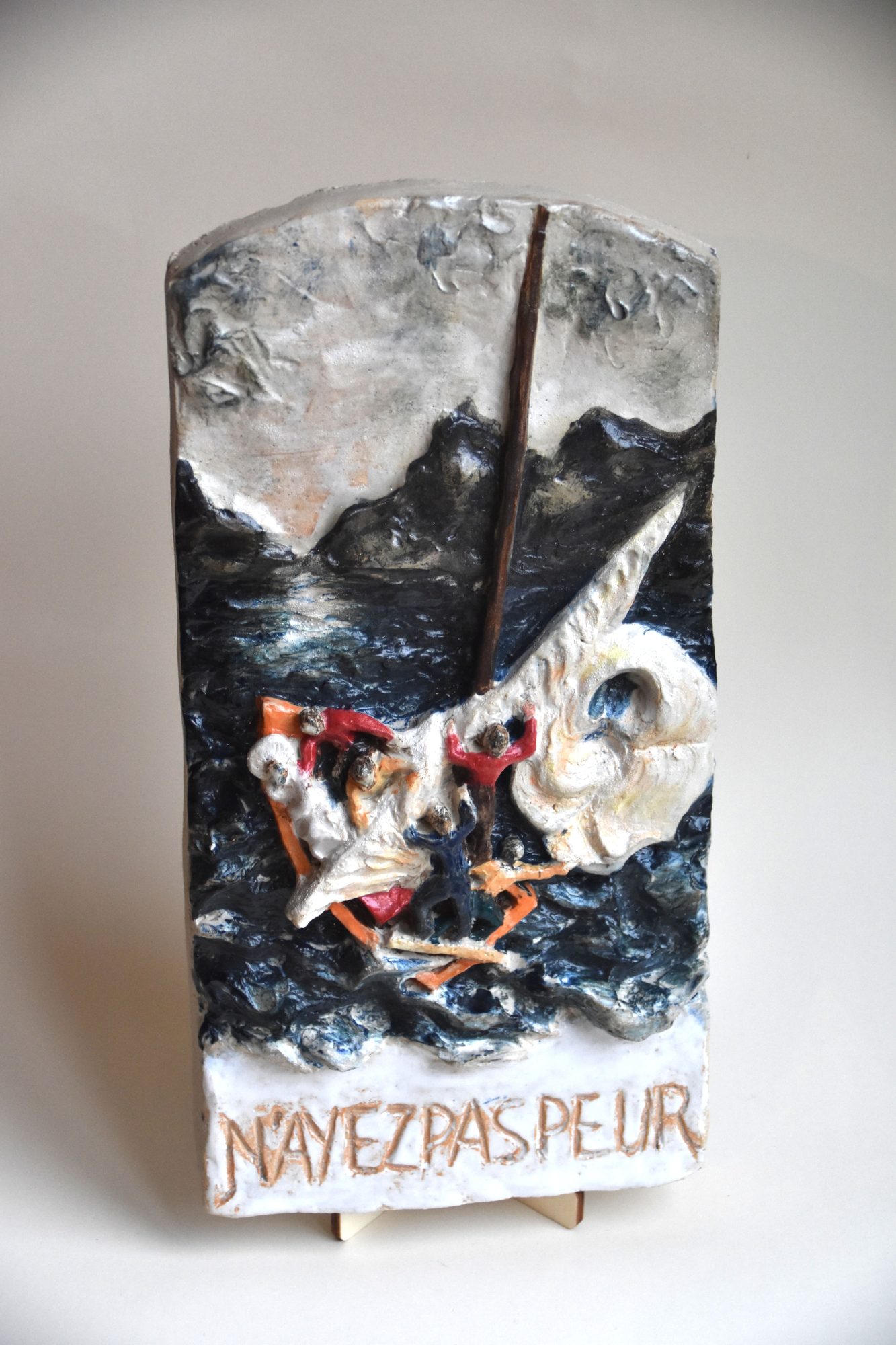


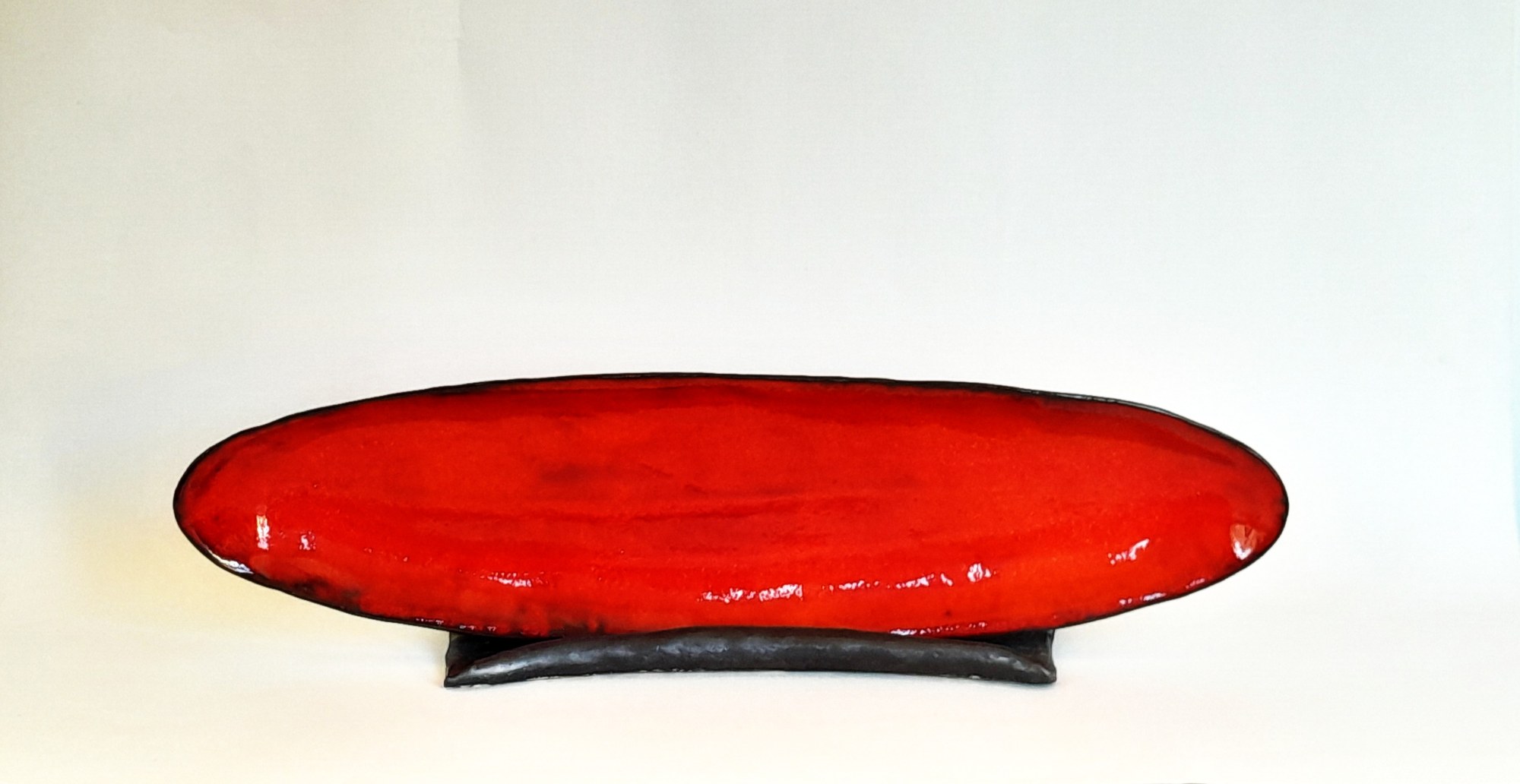
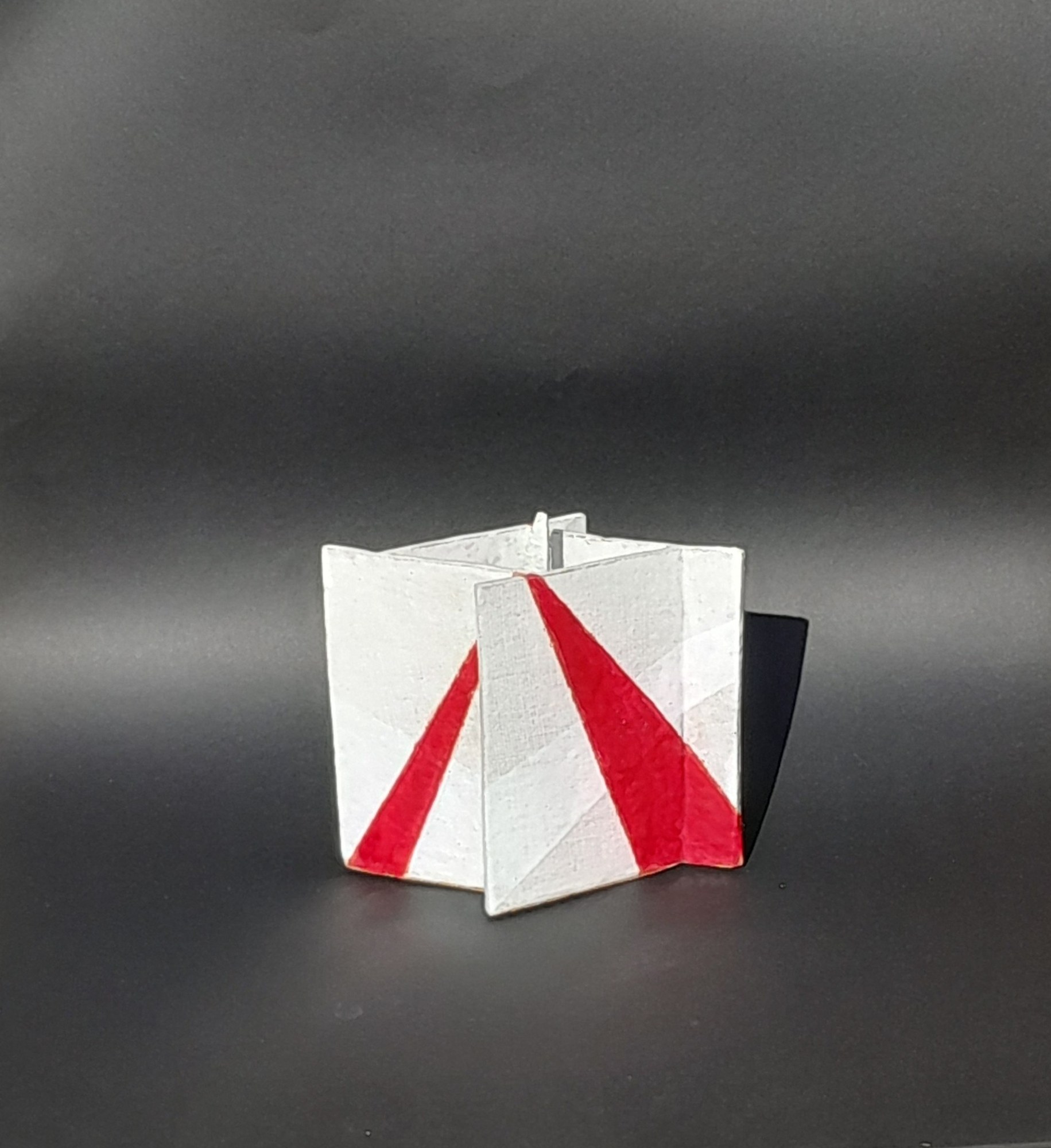

Paintings on the walls, sculptures on their plinths — Patricia Veranneman's work has been shown in galleries and cultural venues in Belgium and abroad.
The photograph becomes painting. The fragment becomes sculpture. The material keeps the marks of its transformation.
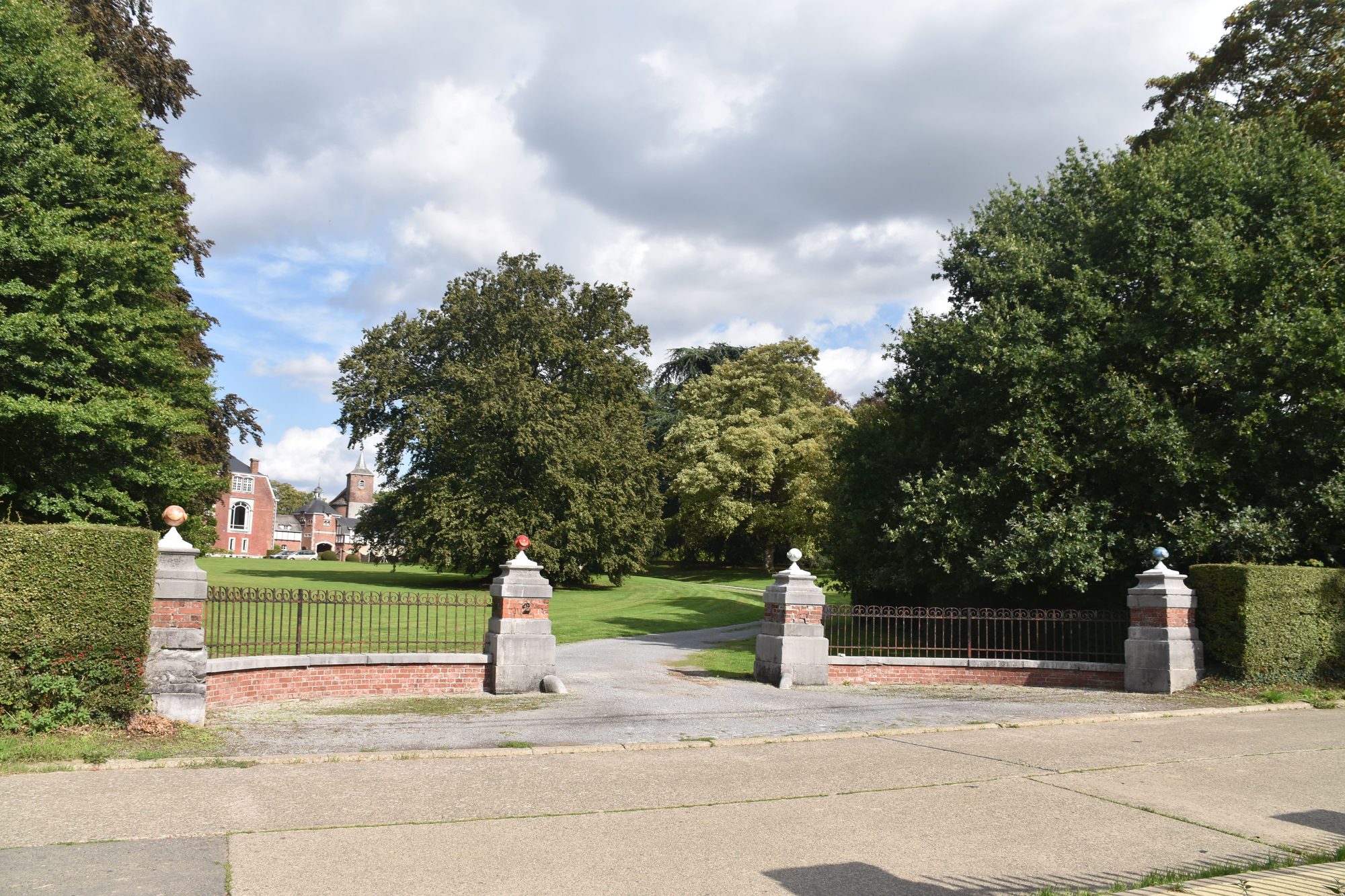
Intervention in public space — Patricia's pieces converse with the building and the landscape, taking the outdoors as a natural extension of the studio.
Four glazed stoneware spheres, one for each element — Earth, Water, Air, Fire — set on the pilasters of an entrance gate.
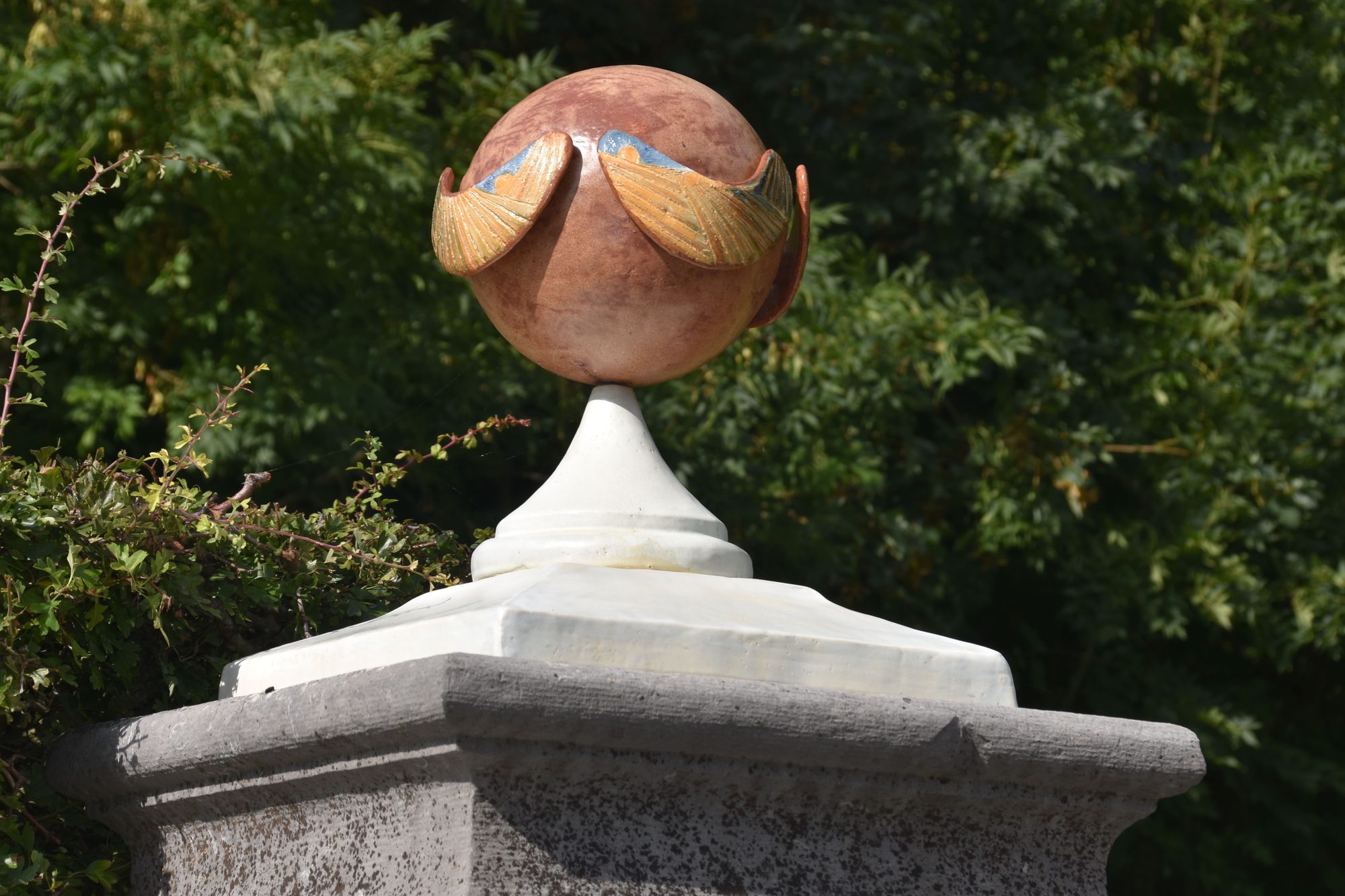
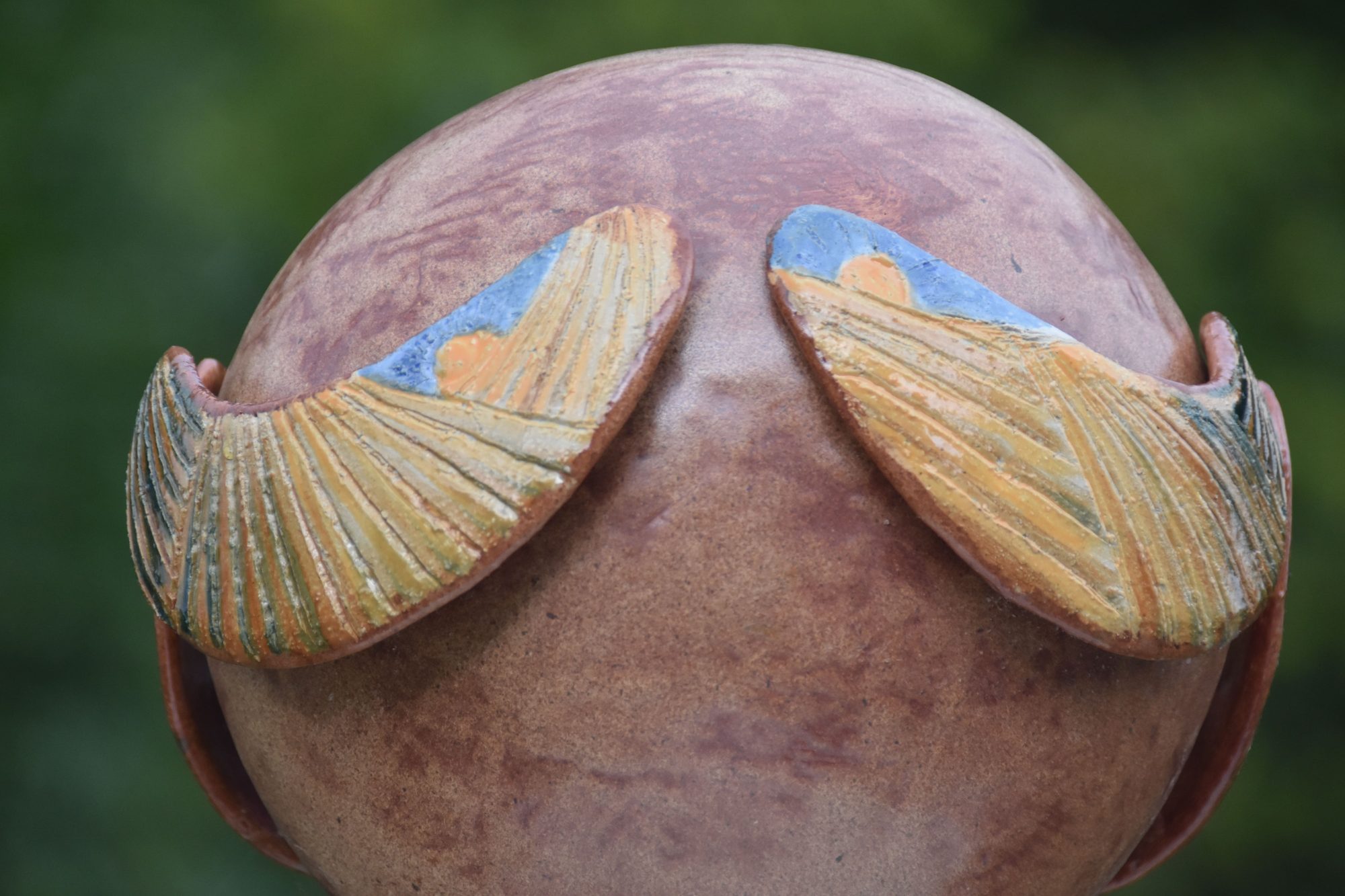
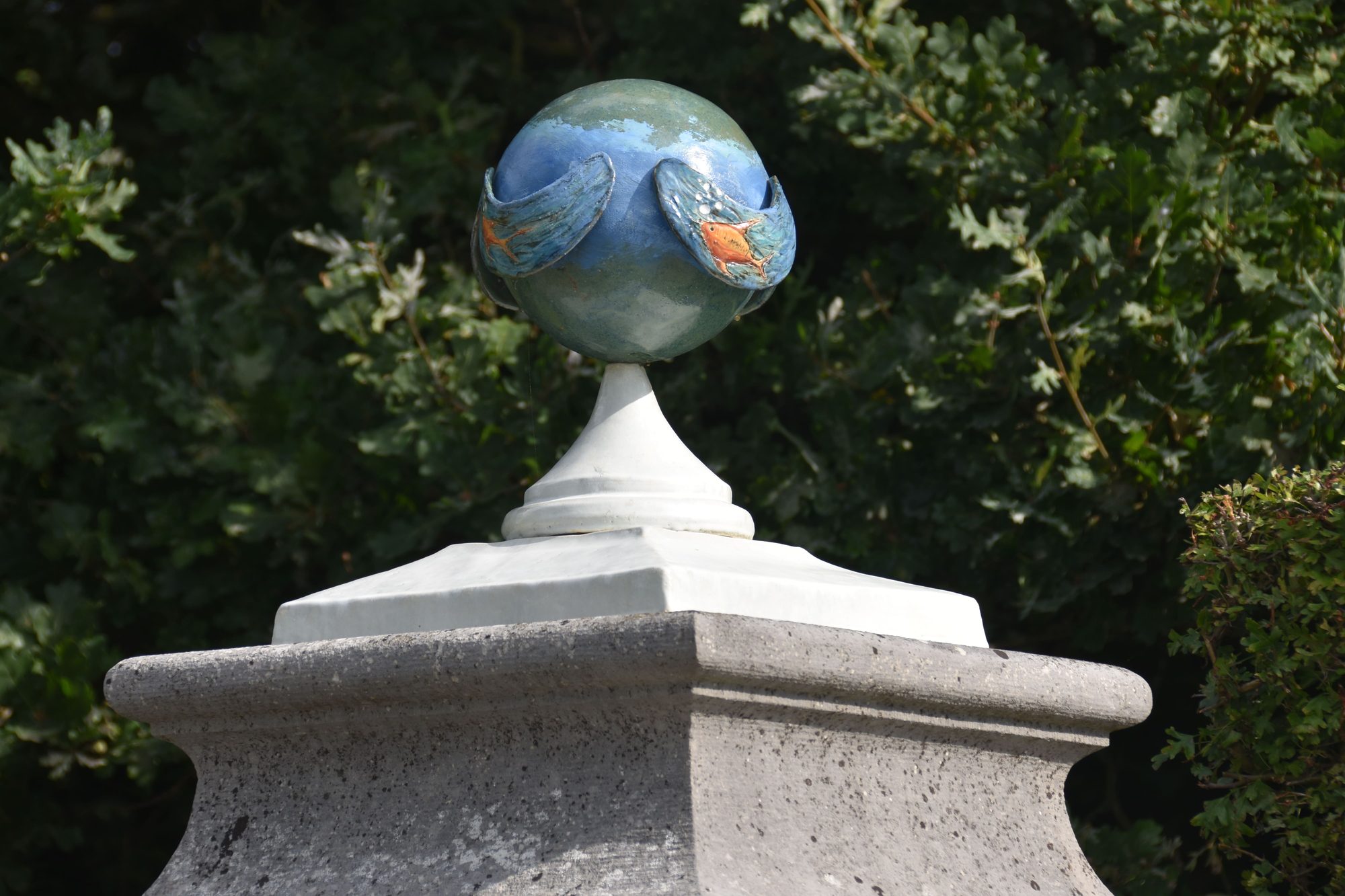
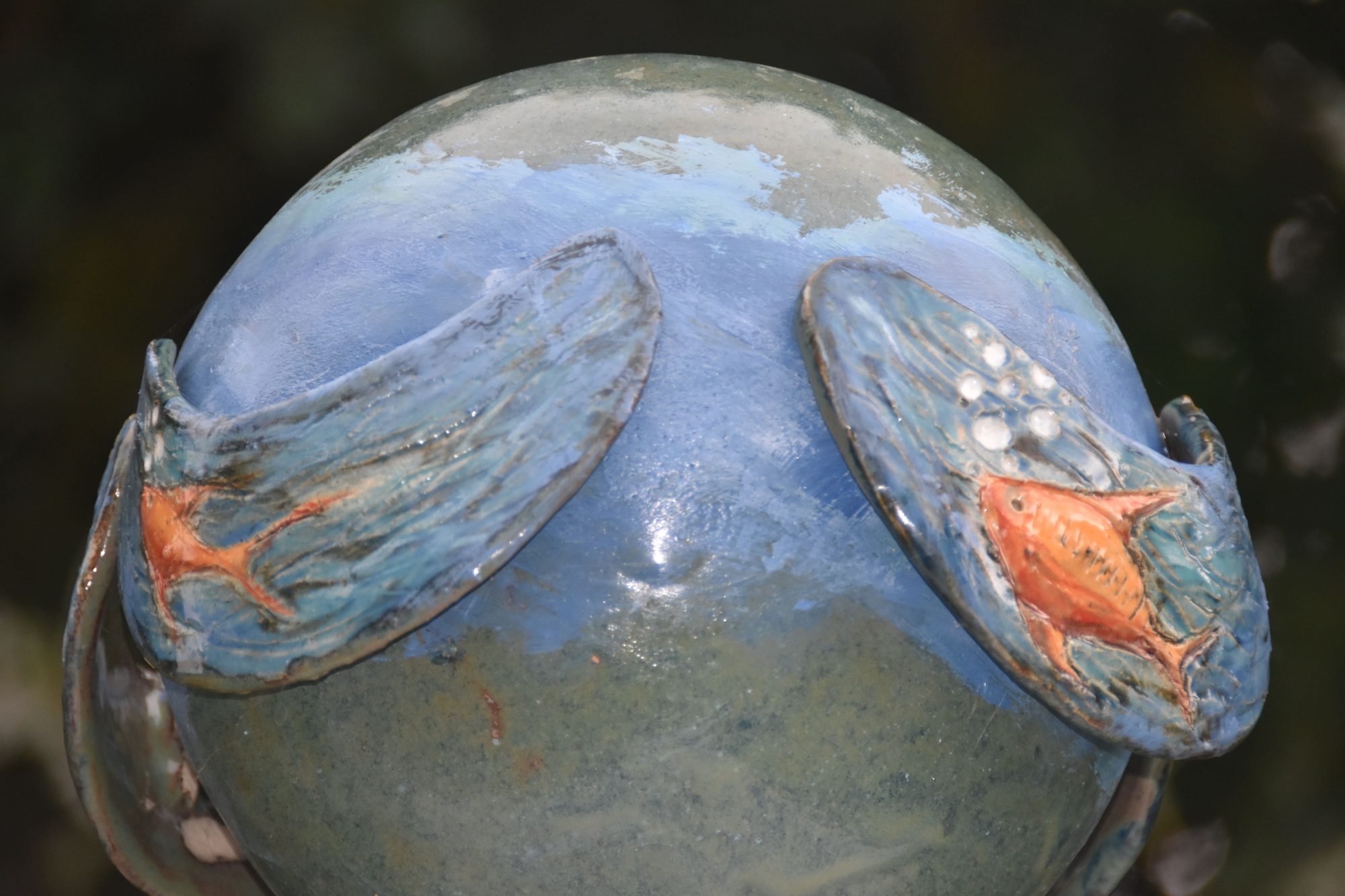
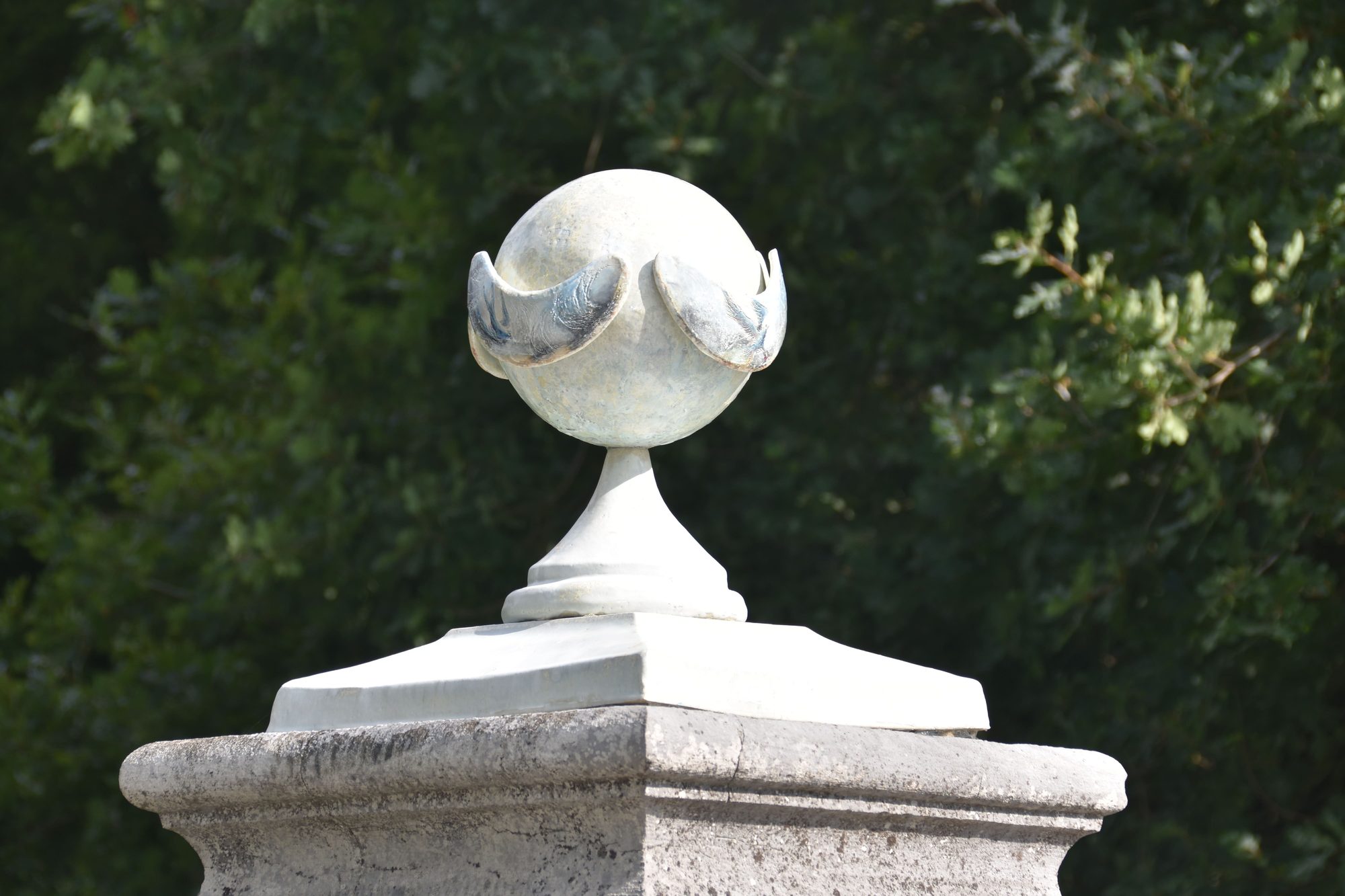
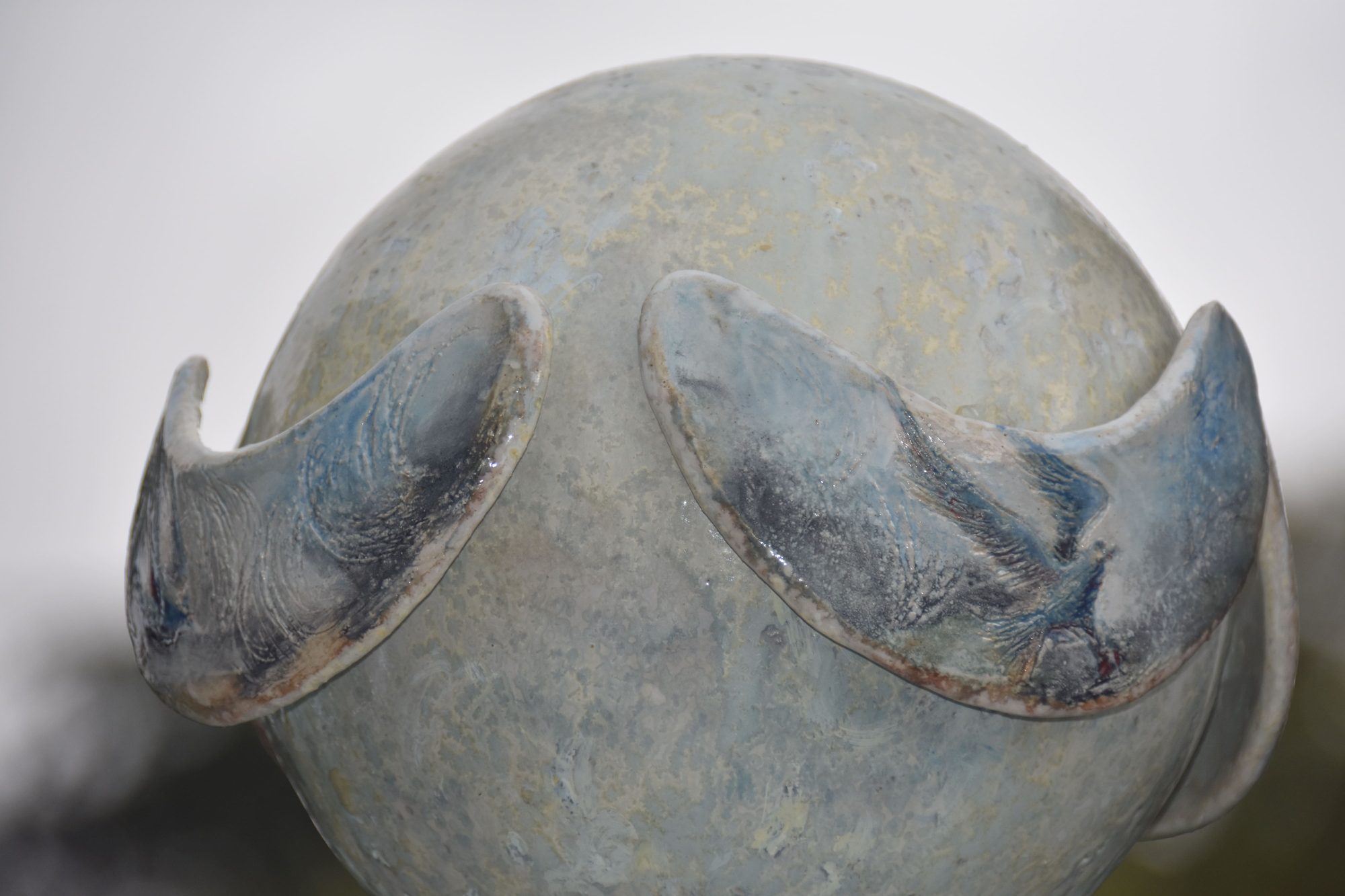
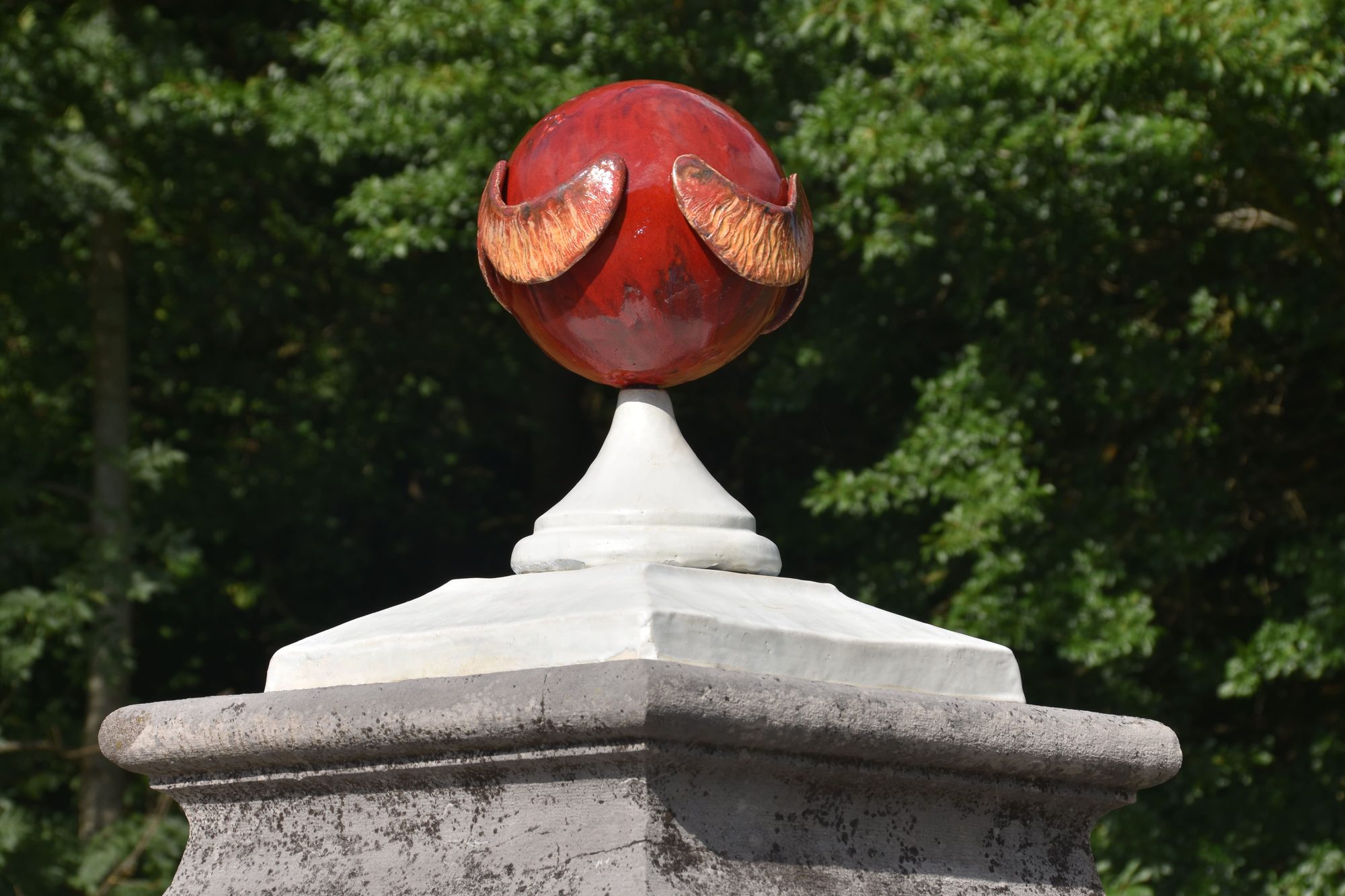
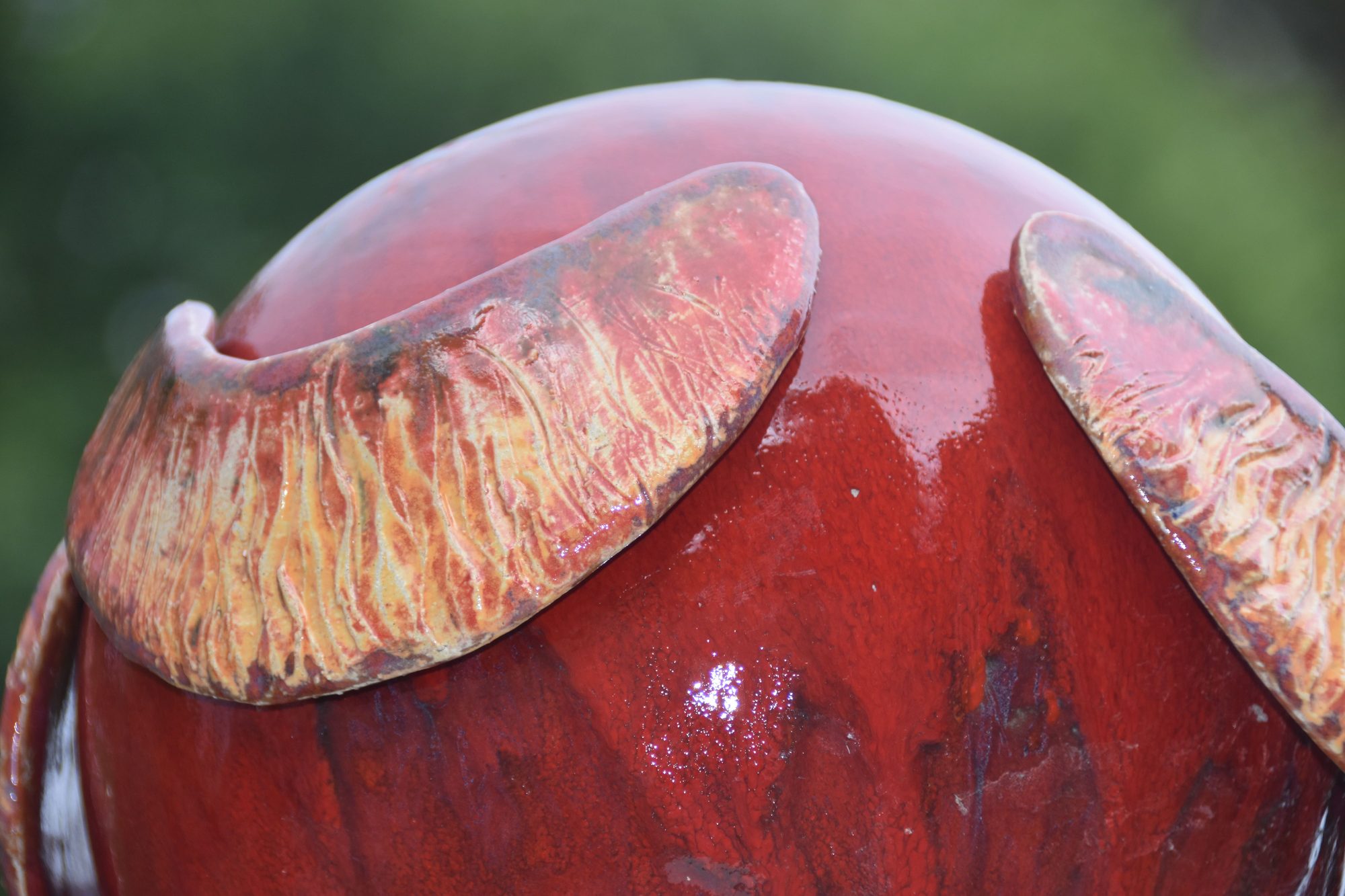
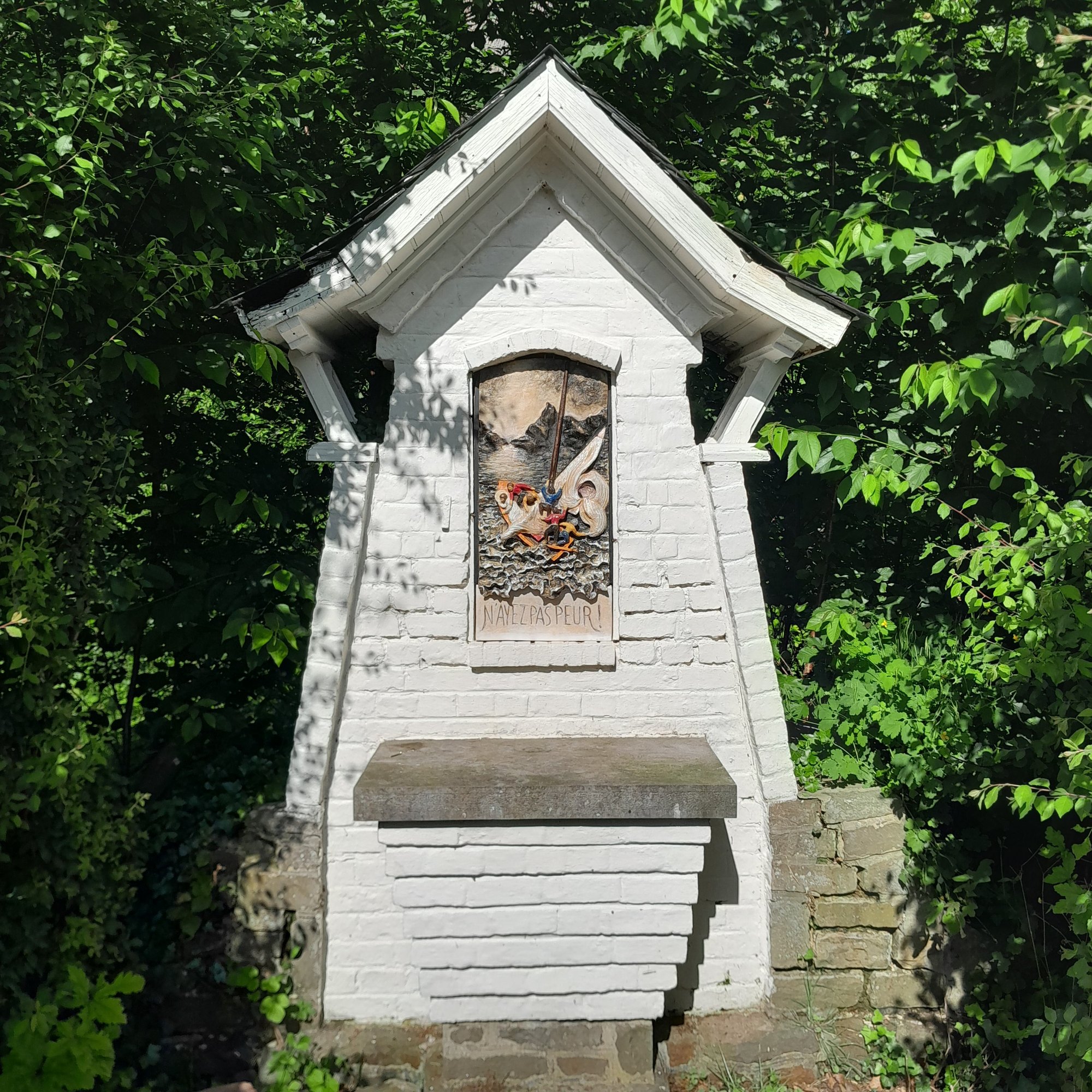
Wayside chapel · Jesus calms the storm, glazed stoneware · overall view and detail
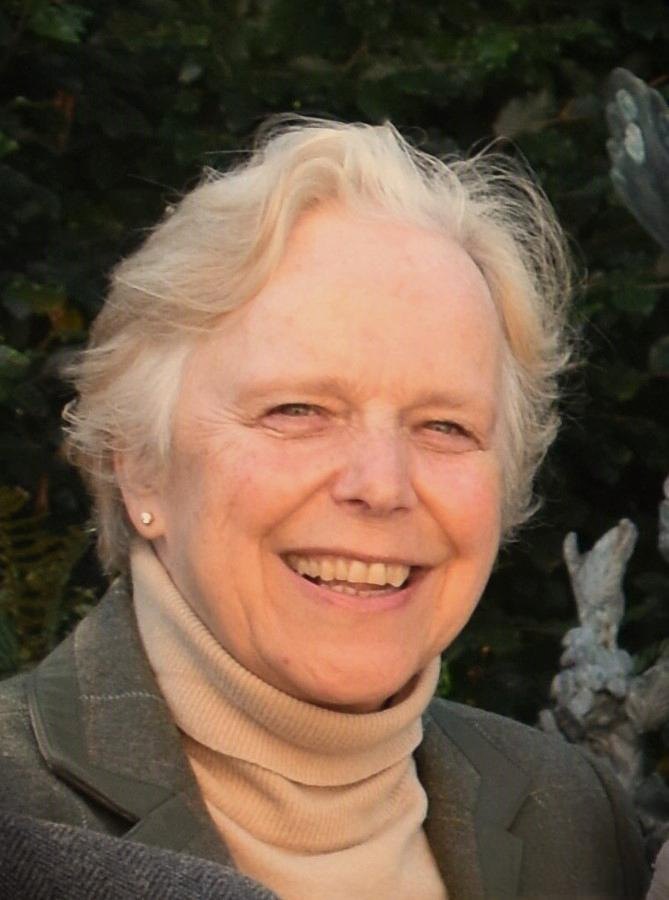
Through painting and ceramics, Patricia Veranneman explores the traces of time, fragments of memory and the transformations of matter. Her work often starts from what already exists: an old photograph, a forgotten object, a found element, a form that carries a story within it. These fragments are not reproduced — they are displaced, transformed, recomposed, until they become something else.
Her paintings sometimes begin from old photographs: family pictures, anonymous scenes, memories of which only a trace remains. Moving from photograph to painting introduces a distance. Outlines fade, details disappear; what was a precise image becomes an impression, a presence, sometimes an absence.
Ceramics take up these same questions through material and volume. Old elements, found or carrying a story, are joined to the clay and set against a new form: neither kept intact nor quite erased. The pieces then hold several times at once, between relic and creation.
Patricia VerannemanBe told about the next exhibitions